


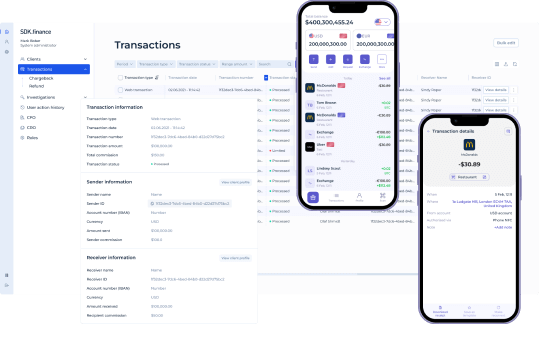


In banking, a general ledger is the central accounting system that records all financial transactions across the bank.
It organises transactions into structured accounts such as assets, liabilities, income, and expenses. Every payment, transfer, fee, interest calculation, or settlement updates the general ledger so balances remain accurate and consistent.
The general ledger acts as the bank’s source of truth for accounting. It supports financial reporting, reconciliation, audits, and regulatory compliance by ensuring that all money movements are properly recorded and traceable.