FinTech in the UK covers digital banks, payment services, lending, investing and the software behind them. For a team building a financial product, the first decision is which customer problem to solve and which services require a financial partner.
This article explores the UK FinTech market, its providers, payment infrastructure, and opportunities for new financial products. It also examines SDK.finance, a FinTech software provider, and its role in helping businesses build and modernise financial products for the UK market.
Discover how the SDK.finance TPS can power high-speed, secure operations across banking, fintech, and retail
Talk to Our Team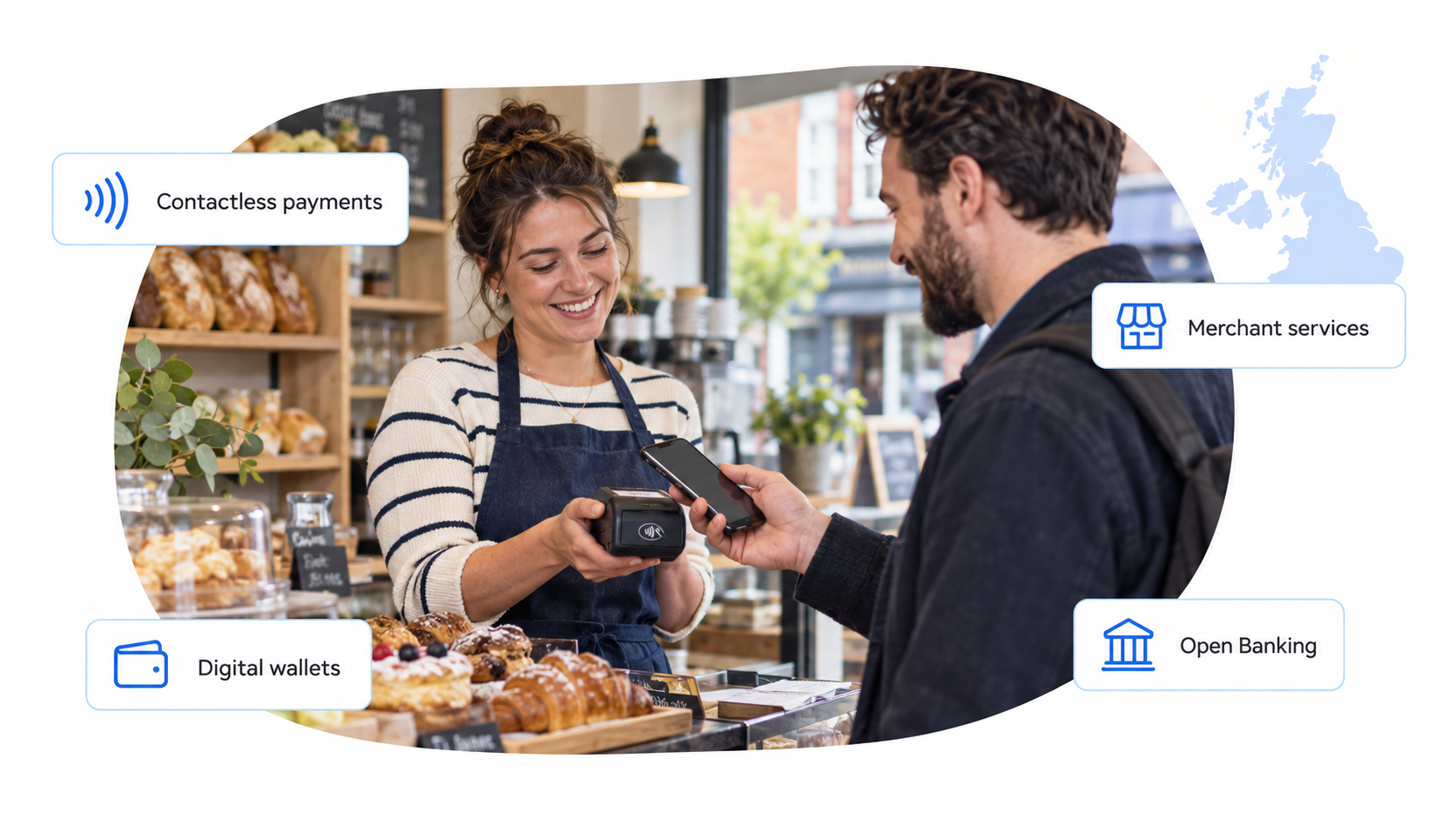
The UK FinTech market: investment, payments and adoption
Investment measures capital committed to FinTech businesses; Open Banking figures measure activity on connected services. Together they show where funding and usage are developing, but neither proves demand for a particular new product.
FinTech investment
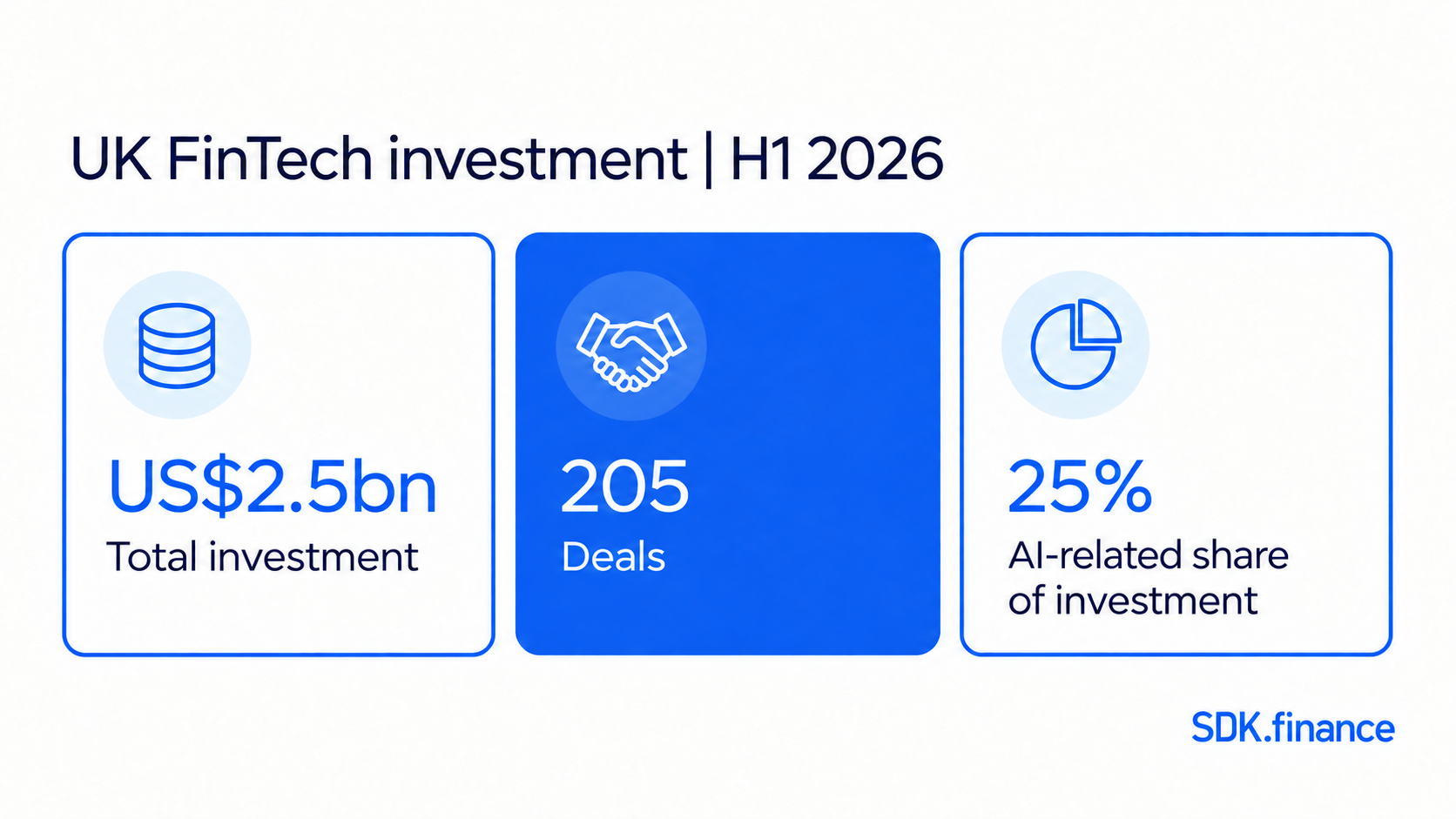
- US$2.5 billion was invested in UK FinTech across 205 deals in the first half of 2026, according to KPMG’s Pulse of Fintech. Deal count fell from 281 in the first half of 2025.
- AI-related FinTech accounted for 25% of UK FinTech investment in H1 2026, according to KPMG’s UK analysis. This is a share of investment value, not a share of companies.
Open Banking adoption
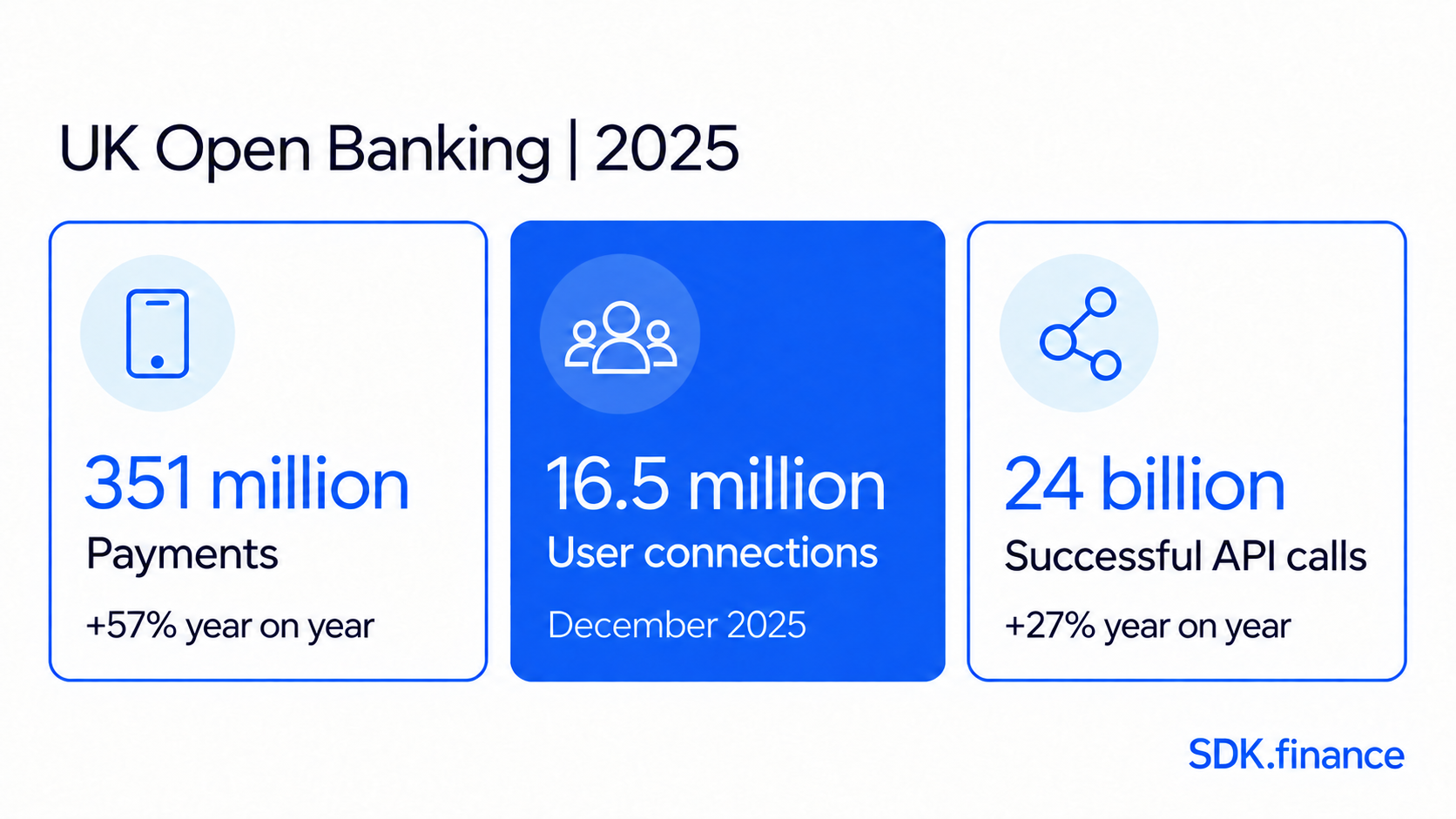
- 351 million Open Banking payments were made in 2025, up 57% from 2024, according to Open Banking Limited.
- 16.5 million user connections were recorded in December 2025, up 36% year on year, in the same report.
- 24 billion successful API calls were recorded in 2025, up 27% from 2024, in Open Banking Limited’s analysis. These are requests exchanged between connected systems, not additional payments.
Payments in everyday use
Cards remain central to UK payments. UK Finance reports that they accounted for 64% of payments in 2025, while 65% of UK adults were registered for a mobile payment service. Mobile wallets often use an underlying card, so these measures should not be added together.
The providers below serve different parts of this market, from consumer banking to merchant collections and the software behind them.
FinTech companies and providers in the UK
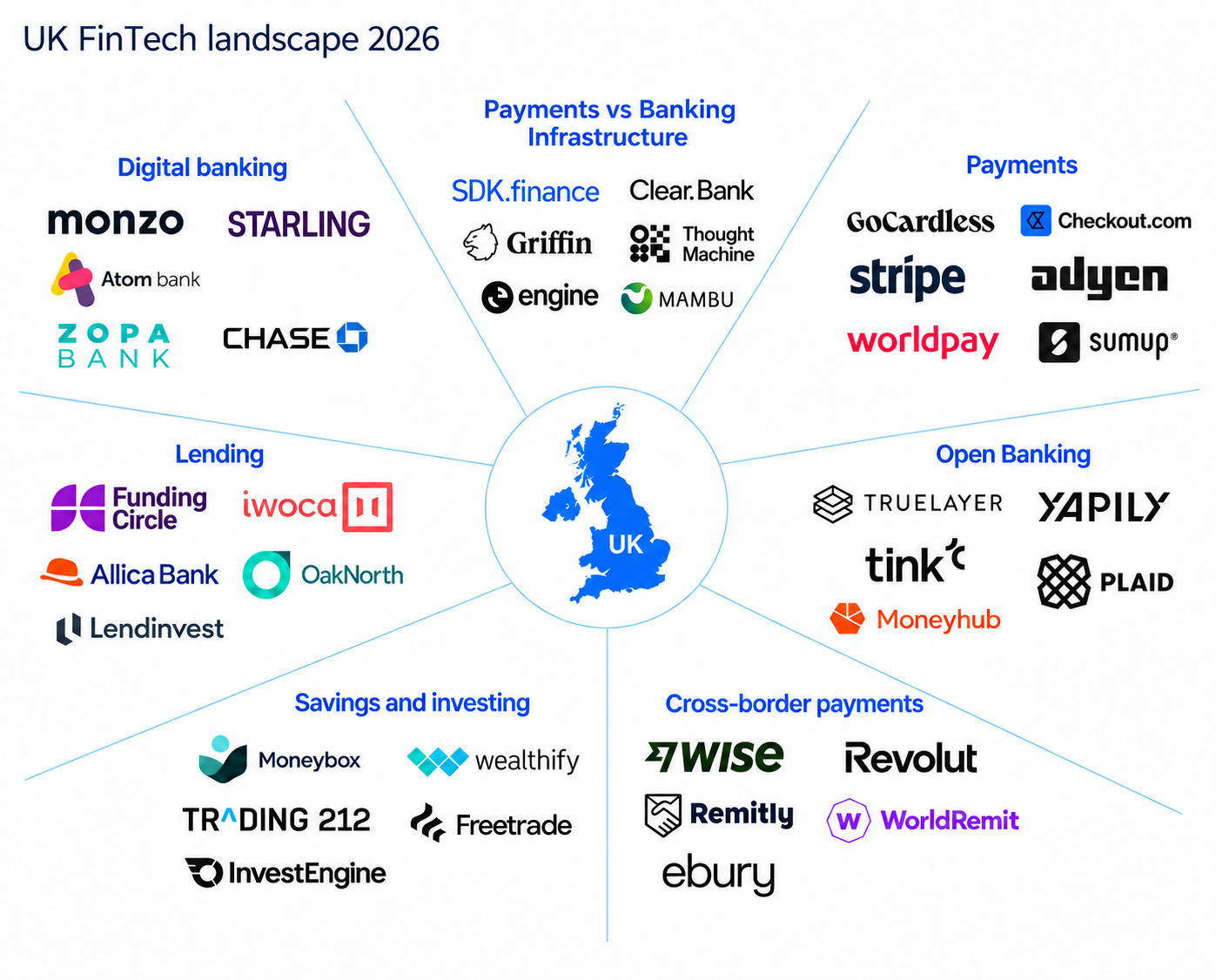 This selection focuses on providers relevant to building and operating financial products in the UK. It includes UK businesses and international suppliers serving the market, rather than only UK-headquartered startups.
| Provider | Entity or category | Role and example use |
| SDK.finance | FinTech software provider | Transaction Platform and separate General Ledger for teams building account, wallet and payment products. |
| Monzo | Digital bank | Personal and business banking, including accounts and everyday money management through an app. |
| Starling Bank | Digital bank | Personal and business accounts, with tools for payments and routine business administration. |
| Wise | International payments | Cross-border transfers and multi-currency accounts for individuals and businesses, subject to local availability. |
| GoCardless | Bank payment collection | Direct Debit and Open Banking payments for businesses collecting recurring or one-off payments. |
| TrueLayer | Open Banking payments | Pay-by-bank infrastructure for businesses connecting bank approval, payment confirmation and related payment flows. |
| Checkout.com | Merchant payment technology | Payment acceptance and processing for online merchants, with related payment management and reporting tools. |

SDK.finance
SDK.finance serves teams building their own financial product. Its role is the configurable software layer; the customer defines the user experience, operating model and external provider connections.

Monzo
Monzo’s Tax Pots let eligible business customers set aside a chosen percentage of incoming payments for tax. This makes budgeting part of receiving income, rather than a separate task at the end of the month.

Starling Bank
Starling Accounting brings bookkeeping and tax tools into the banking experience. For a small business, linking these tasks to account activity can reduce switching between banking and administration tools; available functions depend on the business and service terms.

Wise
Wise makes the cost and progress of a transfer central to the customer journey. For product teams, it is a useful example of explaining what the customer will pay, what the recipient will receive, and what happens next.

GoCardless
With GoCardless, the product decision extends beyond collecting a payment: recurring services need mandate management and a response to failed collections. Those requirements distinguish subscription billing from a one-off bank payment.

TrueLayer
For a TrueLayer pay-by-bank integration, the critical handover is between checkout and bank approval.

Checkout.com
Checkout.com’s payment analytics connects decline reasons and transaction-level response codes with payment performance. It gives merchants a more specific investigation path than an overall acceptance rate: identify which payment attempts failed and why.
Why the UK attracts FinTech businesses
The UK combines an established financial services industry with technology providers and shared payment infrastructure. For product teams, that creates several practical advantages:
- Financial expertise: established banks and specialist providers give teams potential partners for accounts, payment processing and risk management. The City of London’s ecosystem overview maps this financial-services network.
- Testing support: the FCA’s Regulatory Sandbox supports eligible live tests with consumers. Its Digital Sandbox provides data for early-stage prototypes, while Innovation Pathways helps firms understand the regulatory framework. These services address different stages of development.
- Established connectivity: Open Banking and domestic payment systems offer ways to connect products to existing accounts and payments, subject to provider access and permissions.
FinTech beyond London
The government’s sector guide identifies FinTech clusters beyond London, including Manchester, Edinburgh and Leeds. For a location shortlist, compare access to relevant financial employers, technical talent and prospective customers, rather than choosing on proximity to investors alone.
How UK customers and businesses pay
A checkout purchase, a monthly subscription, and a supplier invoice need different payment journeys. The examples below show how the choice affects the customer’s actions and the business’s ability to fulfil an order, collect a bill, or explain a refund.
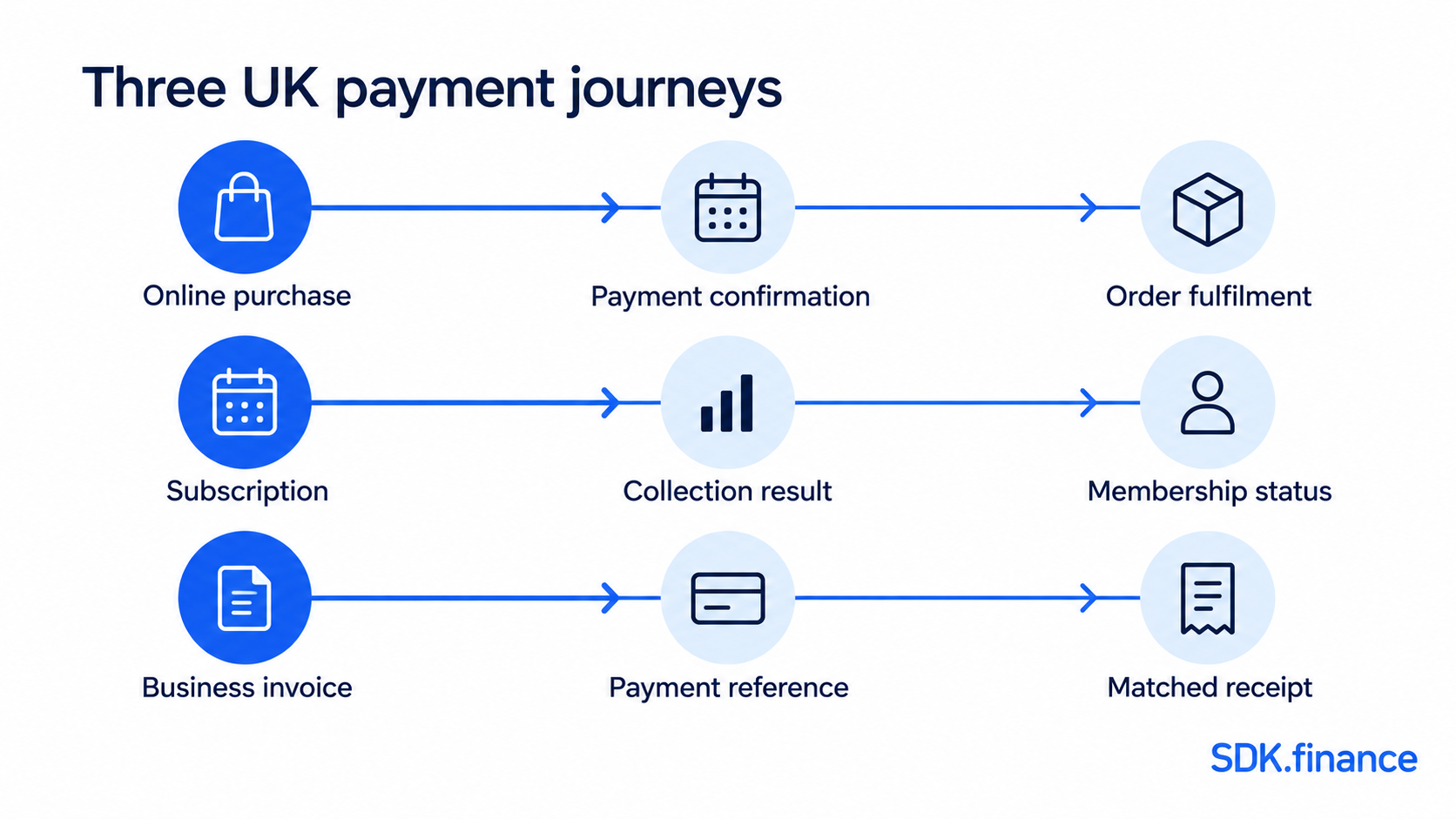
Online purchases: connect checkout to fulfilment
An online retailer might offer cards, supported mobile wallets and pay-by-bank. In the latter journey, the customer approves payment through their bank; the FCA explains the required consent.
For either method, the retailer needs more than a successful return to its website. Its order system should receive the provider’s payment result and handle a customer closing the browser before returning. Otherwise, the buyer could pay while the order remains marked as unpaid.
Compare three parts of the journey:
- Confirmation: which provider event allows the business to release goods, and what happens while the result is uncertain?
- Availability: when can the business use or withdraw the proceeds under its provider agreement?
- Refunds: how is money returned, which reference connects it to the purchase, and what can support staff see?
Subscriptions: distinguish a bill from its collection
Consider a gym collecting monthly membership fees. Direct Debit lets it collect under a customer instruction, with advance notice of the amount and date. The Direct Debit Guarantee covers errors in setup or collection; it does not cancel the underlying contract.
The gym’s software should keep membership status separate from collection status. A failed collection needs a follow-up process, while a cancelled mandate needs a new payment arrangement. Automatically treating both as a cancelled membership could interrupt access incorrectly.
Business invoices: preserve the reference
A UK consultancy receiving a bank transfer needs to know which invoice was paid. A payment link can carry an invoice reference, but some customers may still pay through their own banking app. The product should accommodate partial payments and a single transfer covering several invoices.
For this use case, provider selection should include a sample receipt report. Check whether it contains the payer details, amount, reference, and timestamps needed to identify the payment. A fast transfer is only useful to the finance team once it can be matched to the amount owed.
Open Banking and embedded finance in practice
Data access versus payment initiation
Open Banking supports two distinct activities, with the customer’s permission:
- Account information brings balances and transactions into a product, such as a cash-flow dashboard.
- Payment initiation lets the customer instruct a payment from an account held elsewhere.
The FCA distinguishes these services. An API aggregator can connect an application to banks without holding the customer’s funds.
Where embedded finance adds value
Embedded finance puts a financial service inside a wider task. Business software might let a customer collect an invoice payment without leaving the application, linking the invoice, payment status and accounting record.
Variable recurring payments
Recurring Open Banking payments add another option. Variable recurring payments use agreed consent limits, but availability depends on the bank, provider, and use case. Support for transfers between a customer’s own accounts does not establish support for every commercial collection.
For a recurring service, check what happens when a customer withdraws consent or a payment exceeds its agreed limit. The application needs to explain the failed collection and offer a supported next step without repeatedly submitting the same request.
Discover how the SDK.finance TPS can power high-speed, secure operations across banking, fintech, and retail
Talk to Our TeamHow UK payment infrastructure supports the product
Payment rails are the systems that carry payments between participating institutions. They sit behind the bank, payment provider, or application a customer sees. Three UK systems are especially useful to understand:
| System | Typical role | Product question |
| Faster Payments | Rapid account-to-account payments, including online and mobile banking transfers. | How will the service confirm a payment and handle an uncertain or failed result? |
| Bacs | Direct Debit collections and Direct Credit payments, such as payroll. | How will submission schedules, collection dates, and returns affect the workflow? |
| CHAPS | High-value and time-sensitive sterling payments, including property transactions. | Which provider cut-offs and approvals apply to the payment? |
Access may be direct or through a sponsoring or agency provider. The Bank of England explains the participation arrangements; installing transaction software does not establish access.
From payment instruction to reconciled record
Connect the provider’s payment notification to the internal transaction, then match internal records against provider reports. Keep both references available for investigation.
An accepted instruction, an internal accounting entry and interbank settlement prove different things. Keep pending and confirmed states distinct so an uncertain response does not trigger a duplicate payment.
Regulation, safeguarding and operating responsibility
Banks, payment institutions and e-money institutions
“FinTech” is a market description, not a regulatory permission. Banks, payment institutions and e-money institutions can perform different activities. Check the contracting entity and its permissions in the Financial Services Register.
A software supplier can support a financial business without providing regulated services. Working with a financial partner also requires a clear allocation of responsibilities:
- Who accepts customers and completes the required checks?
- Who holds and protects customer funds?
- Who can block payments or approve refunds?
- Who investigates fraud reports and resolves complaints?
Set these responsibilities before building the interface, customer terms and operational processes.
What safeguarding changes operationally
Safeguarding at payment and e-money firms differs from protection for eligible bank deposits. The FCA explains that funds with non-bank payment providers do not have the same FSCS deposit protection.
The FCA’s supplementary safeguarding regime took effect on 7 May 2026. Firms must assess the requirements that apply to their activities. For product and operations teams, focus on:
- Traceable records: connect customer balances to transactions and relevant external fund records.
- Reconciliation: investigate differences between customer-fund records and the corresponding external balances, distinguishing timing differences from errors.
- Controlled corrections: retain evidence of investigation, approval and changes rather than silently adjusting balances.
- Clear escalation and exit arrangements: establish incident owners, record exports and what happens when a partner relationship ends.
A ledger supplies accounting evidence. It does not replace safeguarding accounts or the financial firm’s responsibilities.
Fraud and payment protection in the UK
Authorised push payment (APP) fraud happens when someone is persuaded to transfer money to a fraudster. The customer may pass authentication and approve the transfer themselves. This makes the risk different from a stolen card being used without permission.
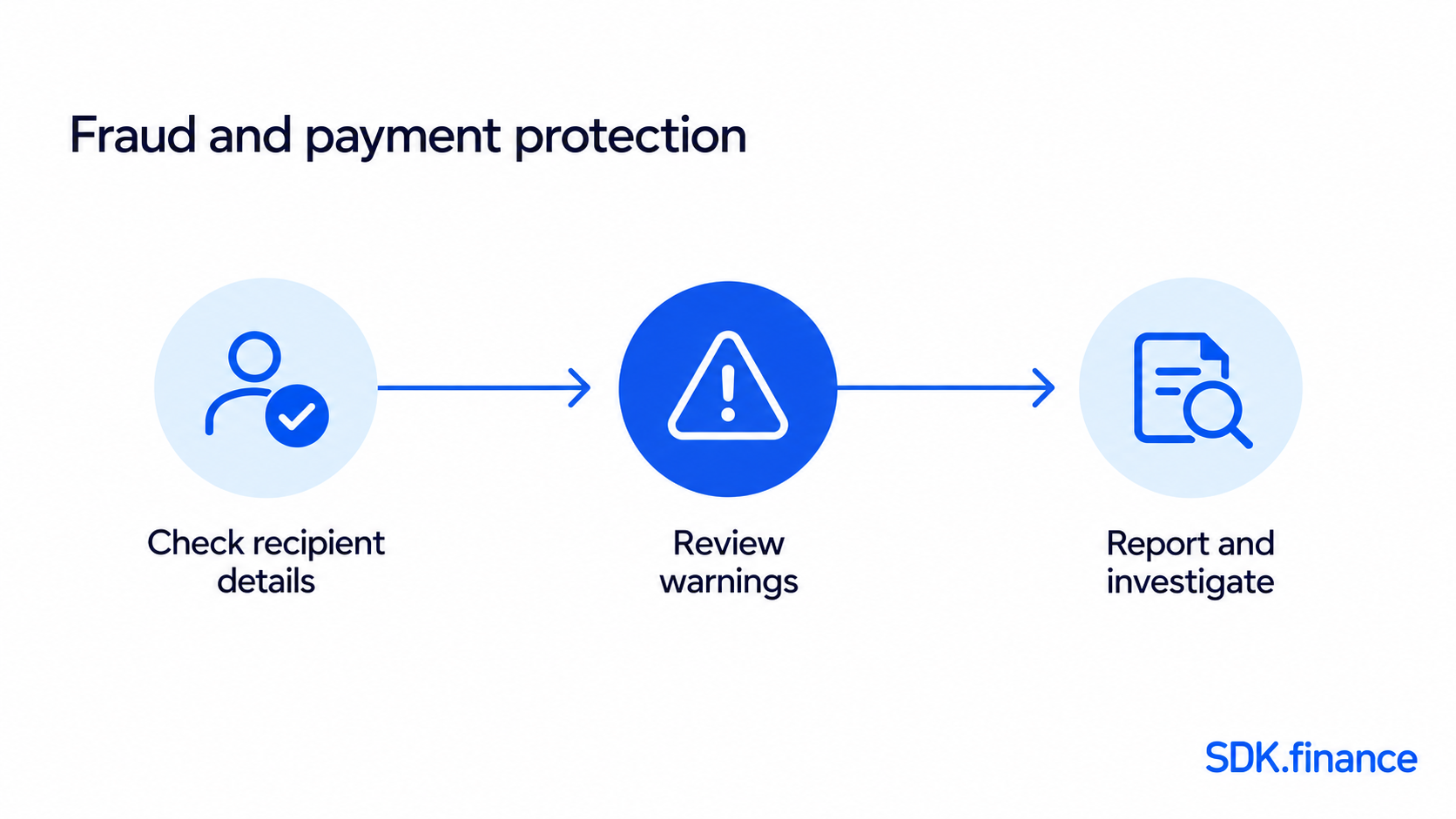
Check the recipient before the payment
Pay.UK’s Confirmation of Payee checks the account name against the intended recipient’s account details. It helps reduce misdirected payments, but a matching name does not establish that an invoice or investment offer is genuine.
For example, a small business receives an email claiming that its supplier has changed bank accounts. The business should verify the new details through a known contact, rather than the phone number in the suspicious email.
A useful design should:
- Make changed recipient details visible, especially when paying an existing supplier.
- Explain a failed or unavailable name check in plain language and provide a way to review the details.
- Retain the payment reference, warning shown, and customer response for an investigation.
Build a route for reporting and resolving fraud
The PSR’s reimbursement protections apply to eligible UK Faster Payments and CHAPS transfers made from 7 October 2024. They cover individuals, microenterprises, and qualifying charities, with a maximum mandatory reimbursement of £85,000 per claim. Eligibility and exceptions matter: a commercial dispute is not automatically an APP scam.
Most eligible claims should be reimbursed within five business days, although investigations can extend the process to 35 business days. Firms may apply an excess of up to £100, with additional protections for vulnerable consumers.
The product should let users report a suspicious transfer from its transaction record and pass the evidence to the responsible payment provider. Card disputes and unauthorised payments follow different processes, as the FCA’s fraud guidance explains. Support staff need to identify the payment method and circumstances before choosing a recovery route.
Discover how the SDK.finance TPS can power high-speed, secure operations across banking, fintech, and retail
Talk to Our TeamWhere new UK products can still compete
A new product can serve a narrower business task than a general banking app. The following scenarios are product ideas to validate with UK customers, rather than claims about unmet demand or guaranteed commercial results.
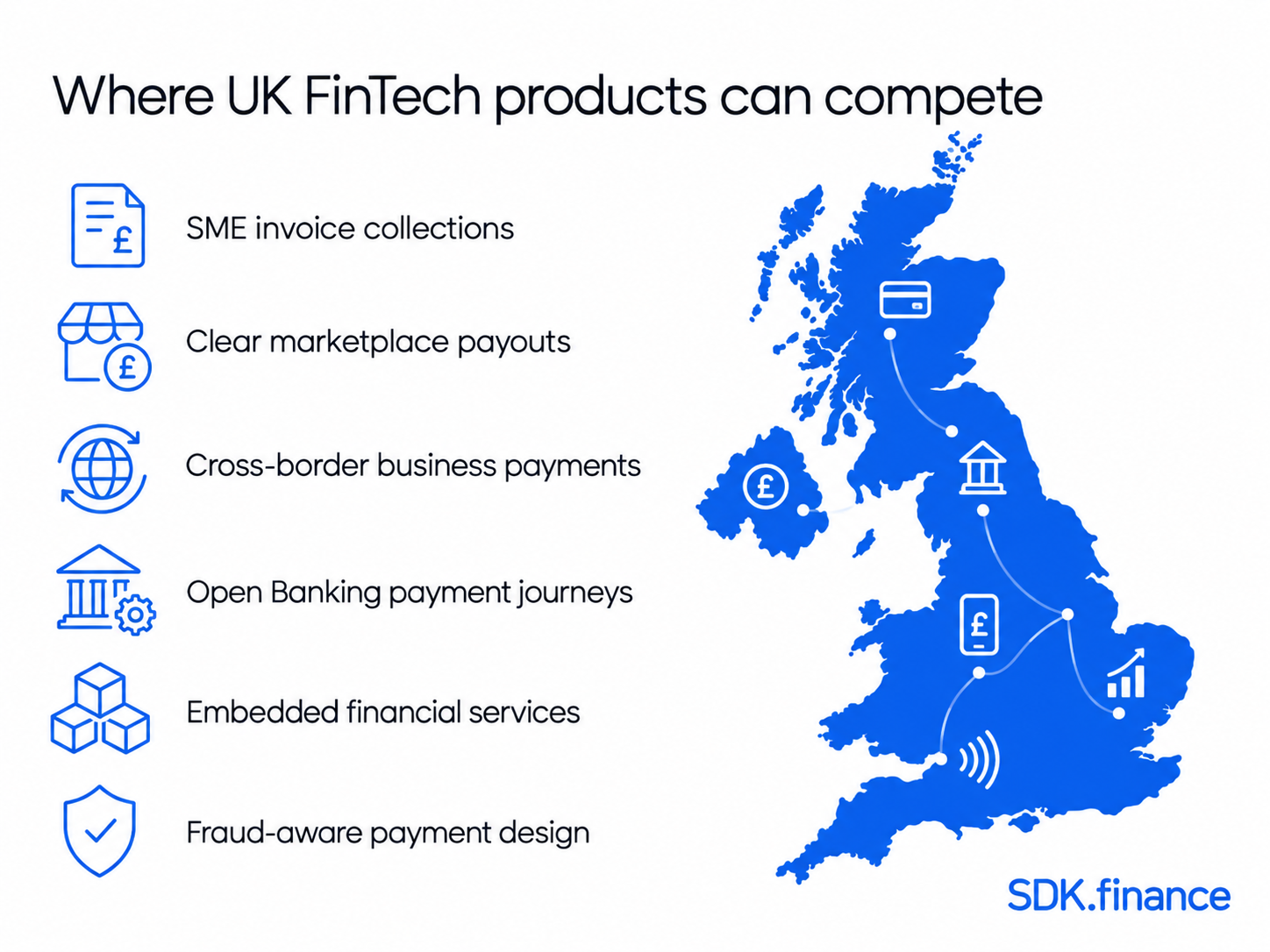
SME collections linked to the work being billed
A maintenance business could offer customers a payment request directly from its job record. The product opportunity is reducing collection administration for the office team.
The first release could support:
- Sending a payment request containing the invoice amount and reference.
- Matching receipts to invoices, with a review queue for partial or combined payments.
- Stopping reminders when payment is confirmed and exporting the result to the accounting system.
A possible revenue model is a subscription per business, with payment charges shown separately. Validate it by measuring staff time spent matching receipts, the number of unresolved payments, and whether customers will pay for the workflow. Faster transfers alone do not establish a profitable product.
Marketplace payouts that sellers can understand
A marketplace seller may complete several orders before receiving one bank payout. The deposit will not necessarily equal the total sales value because commissions, refunds, or agreed deductions affect the amount. A useful seller view explains that calculation.
For example, after a partial refund, the product should show which order changed, whether the seller has already been paid, and how any adjustment will affect a later payout. Simply replacing the balance gives the seller no explanation and creates support work.
The operating model needs:
- A provider arrangement that supports the marketplace’s collection and seller-payout structure.
- Seller onboarding and a defined process for reviewing changed payout details.
- Separate records for sales, platform fees, refunds, and payouts, connected by order and provider references.
The commercial model could combine a sales commission with paid tools for seller reporting. Test refund handling and payout questions with a small seller group before adding more services. Charges and responsibilities must be clear in seller agreements.
Cross-border services for UK businesses
An exporter receiving euros but paying UK costs in pounds needs visibility over currency conversion as well as payment status. A focused service could link the foreign-currency receipt to its invoice and show the GBP amount available after conversion. Its viability depends on supported corridors, exchange-rate terms, and payout arrangements; domestic payment speed does not determine the international leg.
What determines the cost of a UK FinTech product?
Separate the cost of getting the product live from the cost of serving customers. A payment provider’s transaction rate will not show the development work, account charges, customer checks, or support effort needed to operate the complete service.
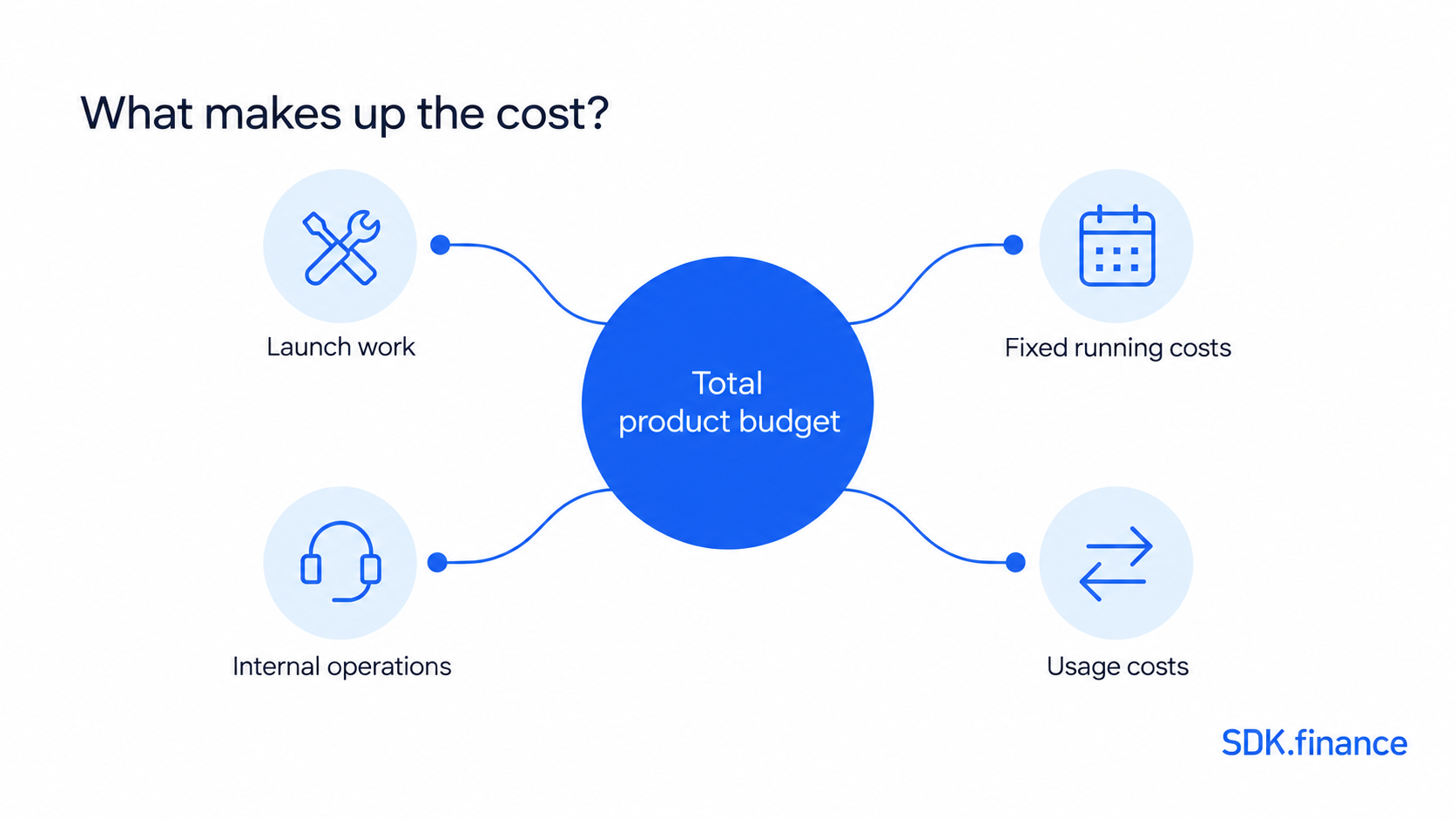
Build the estimate around a monthly activity model
Give shortlisted providers the same assumptions: active customers, payment count, average payment value, currencies, and expected refunds. Include the types of customers and transactions you intend to serve, since eligibility and pricing may differ.
Ask for separate figures for:
- Launch work: implementation, provider onboarding, integration testing, and any setup charges.
- Fixed running costs: software subscriptions, account fees, contractual minimums, hosting, and support.
- Usage costs: payments, payouts, customer verification, currency conversion, refunds, and disputes where charged.
- Internal operations: staff time for manual reviews, reconciliation exceptions, customer enquiries and integration changes. Test sample provider reports and plan for exporting transaction history at contract end.
Check whether minimum charges replace usage fees or are added to them. Also ask which services sit outside the quotation. A low fee for collecting a payment may say little about the cost of paying out the proceeds or returning them.
Illustrative calculation: why volume changes the comparison
The following figures are assumptions for a simplified comparison, not provider tariffs or estimates of UK market prices. Suppose the same payment service is quoted under two hypothetical plans:
| Monthly activity | Plan A | Plan B |
| Pricing assumption | £200 + £0.20/payment | £500 + £0.10/payment |
| 2,000 payments | £600 | £700 |
| 3,000 payments | £800 | £800 |
| 5,000 payments | £1,200 | £1,000 |
This calculation excludes setup, taxes, refunds, FX, and other charges. It assumes the same service scope and no additional minimums. It shows why a team should compare expected launch volumes and a plausible growth scenario instead of choosing solely on the lowest per-payment rate.
The role of SDK.finance in UK financial products
For the UK collection and marketplace services described above, the SDK.finance Transaction Platform supplies accounts, balances, transaction workflows and backoffice tools. Your team adapts this foundation to its customer experience and selected payment providers.
The main capabilities include:
- Customer and business accounts. Maintain separate wallets, balances and transaction histories for customers and merchants.
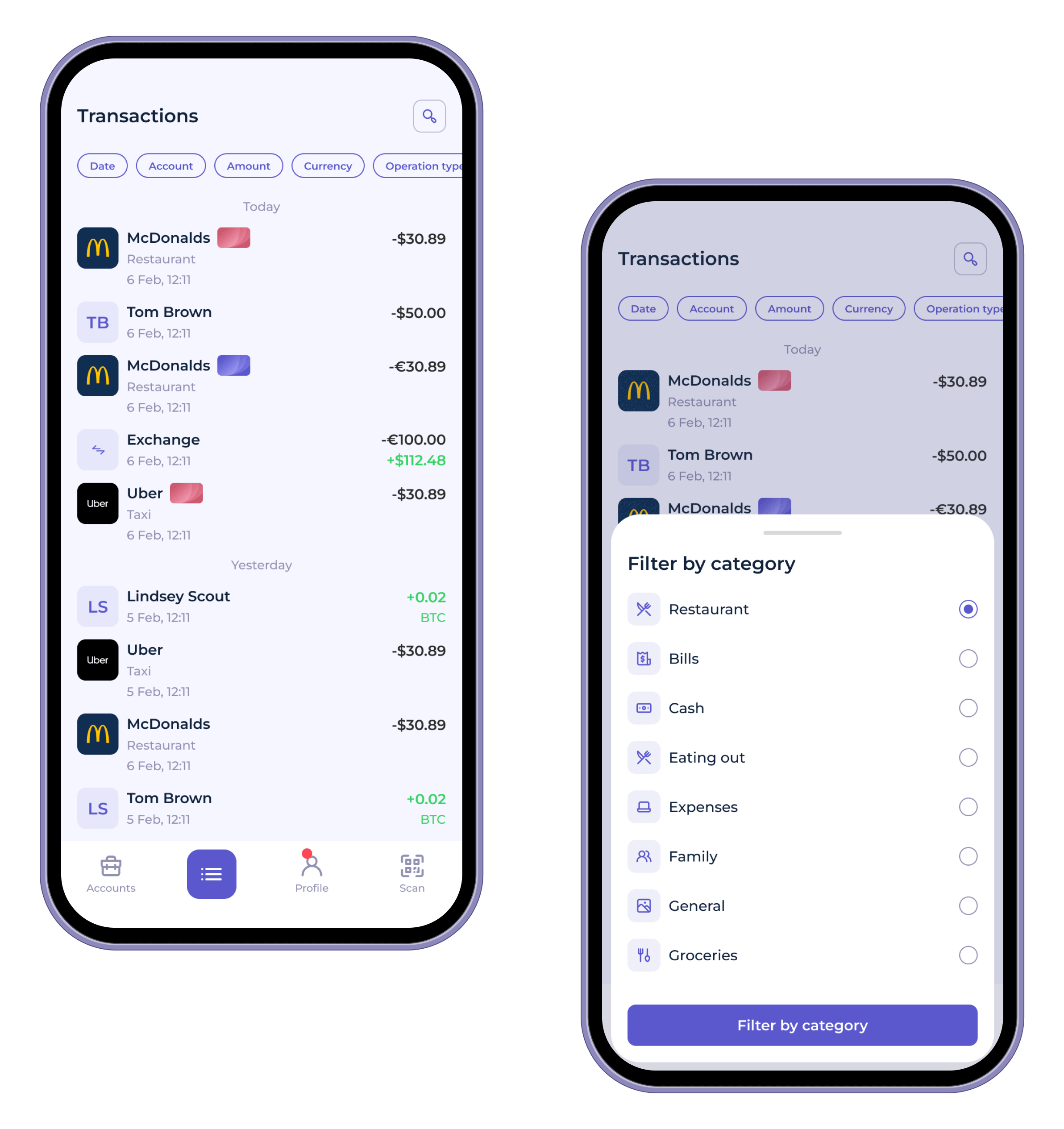
- Payment and refund tracking. View transaction amounts, fees and refund statuses in the back office. Support staff can investigate a missing or partial refund against the original operation, subject to the connected provider’s refund capabilities.
- Fees and transaction limits. Configure flat, percentage or combined fees, plus limits by amount, transaction count and period. This lets a UK product apply different commercial terms to occasional sellers and higher-volume merchants.
- Reconciliation. Compare provider reports with internal transactions and review mismatches, retaining the references needed to investigate each receipt.
- Provider integration. Connect the banking, payment and verification services selected for the UK launch through APIs. Agree support for each collection and payout route with the provider, including payment confirmations and reports, before building the customer journey.
- Operational access. Give support, finance and operations teams the permissions their work requires. Transaction investigations and user-action history help staff establish what happened when a customer questions a fee, balance or refund.
The Transaction Platform already includes accounting for its operations. SDK.finance General Ledger is a separate option when you need custom accounting rules or want to retain an existing transaction system. For example, a marketplace can define how sale, commission and refund events map to its ledger accounts. Posted entries remain unchanged; corrections use reversing entries, preserving the financial history.
Choose the delivery model by testing your actual UK payment journey against the software:
- SaaS. A practical starting point when your account model, fees and provider connections fit the available platform. The subscription uses a hybrid-cloud setup; project-specific development and new integrations require your technical team and are outside the subscription scope.
- Source Code Licence. Use the SDK.finance Transaction Platform as the software core for building your own financial product for the UK market. Access to the source code lets your team build on its account management and transaction capabilities, develop your customer experience and connect your chosen financial providers. Your engineers or implementation partner deploy the platform on your chosen infrastructure and manage development, testing and maintenance.
Turn the UK FinTech landscape into a workable product
Start with a specific customer problem: helping an SME collect invoices, giving marketplace sellers predictable payouts, or making recurring payments easier to manage. That choice should guide your payment rails, provider relationships and software architecture. Before expanding the feature list, define how money moves, who is responsible at each step and how failed payments, refunds and discrepancies will be handled.
If you are planning a UK wallet, merchant payment service or marketplace, contact our team to discuss where SDK.finance fits in your architecture. Bring your intended payment flows, provider shortlist and hosting requirements so the conversation can focus on the software capabilities, integrations and development work your product will need.
Discover how the SDK.finance TPS can power high-speed, secure operations across banking, fintech, and retail
Talk to Our Team