Singapore’s FinTech landscape spans payments, digital banking, wealth management, insurance, lending, compliance technology, and digital assets. MAS reported more than 1,800 FinTech firms in August 2026. The ecosystem brings together businesses serving local customers and providers supporting financial services across the region.
For founders and B2B product teams, the practical question is how these businesses fit together. Some deliver financial services to customers; others supply payment connections, compliance tools, or the software behind accounts and transactions. Understanding those roles helps a team choose what to build and which services to obtain from partners.
This guide maps the main sectors and selected companies, explains Singapore’s payment infrastructure, and sets out practical checks for a regional launch. It also shows how SDK.finance, a FinTech software provider, gives teams a software foundation for building a Singapore-focused financial product with configurable accounts, wallets, and transaction workflows.
Launch your digital bank in weeks, not years
Talk to Our TeamSingapore’s FinTech market: ecosystem scale and investment
Companies and capital
The Monetary Authority of Singapore (MAS) highlighted four figures in August 2026:
- More than 1,800 FinTech firms in Singapore as of August 2026.
- Close to 10,000 professionals employed across the FinTech ecosystem.
- S$2.9 billion in FinTech investment in 2025, rather than market revenue.
- S$220 million committed to FSTI 4.0 over three years; this is planned support, not funding already paid out.
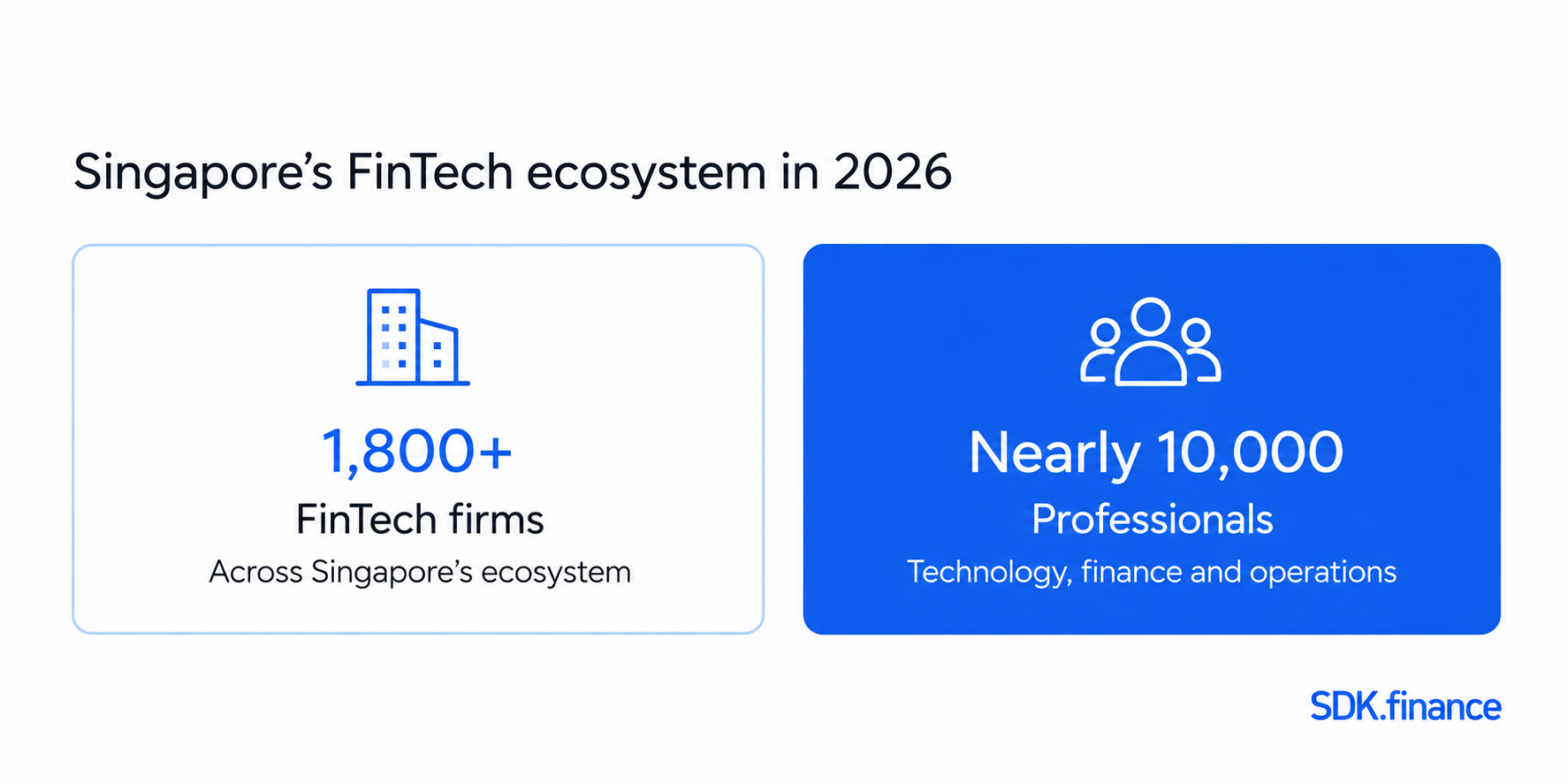
Company and workforce figures describe the size of the ecosystem. Capital figures answer a different question: how much was invested in 2025, and what public support is planned for the next three years.
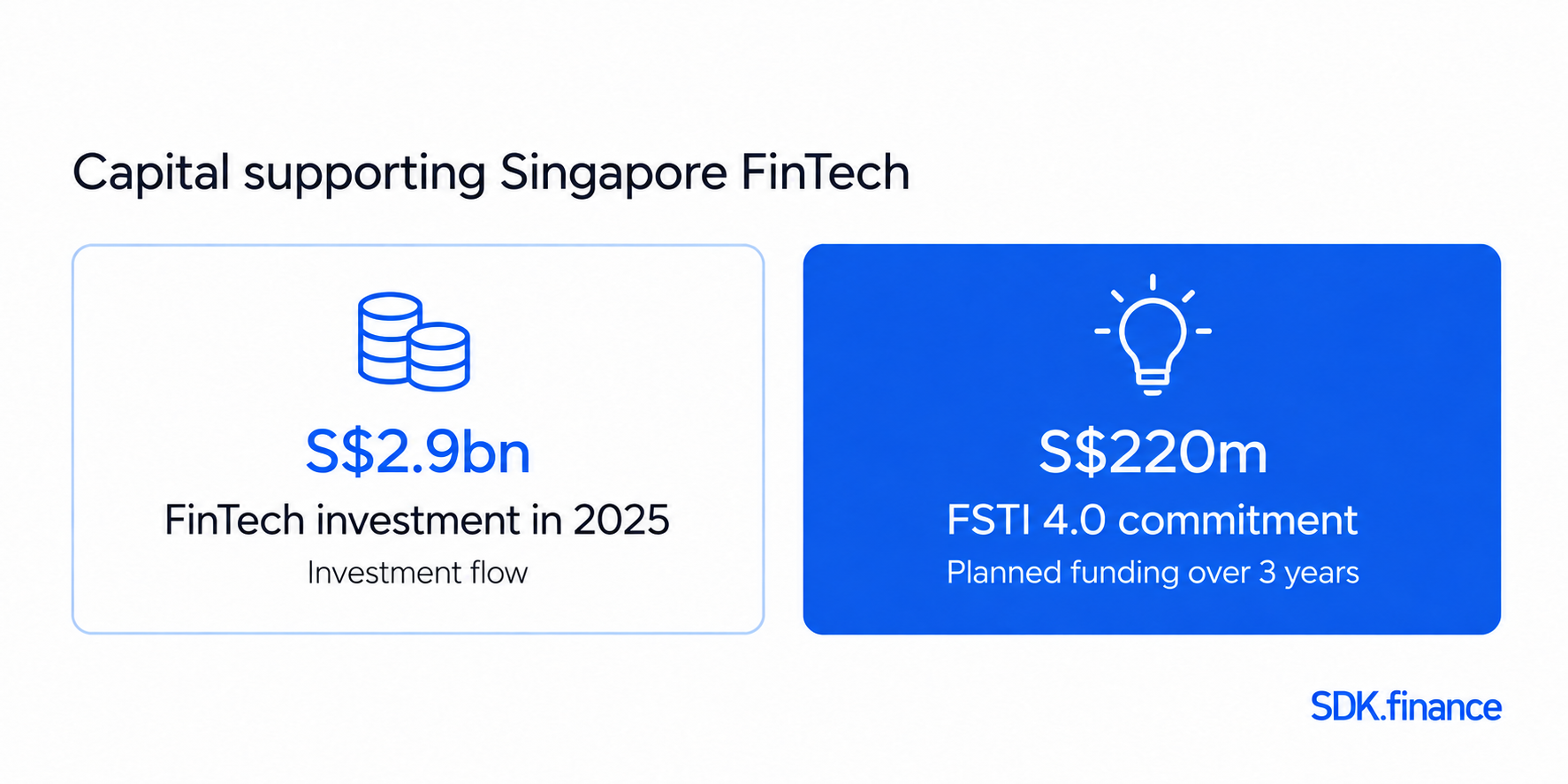
For a founder, these figures establish the scale of the surrounding ecosystem. They do not prove that a particular product has demand or that a new venture will receive funding. A more useful next step is to identify the buyer, the payment problem, and the organisations already serving that workflow.
FinTech companies in Singapore
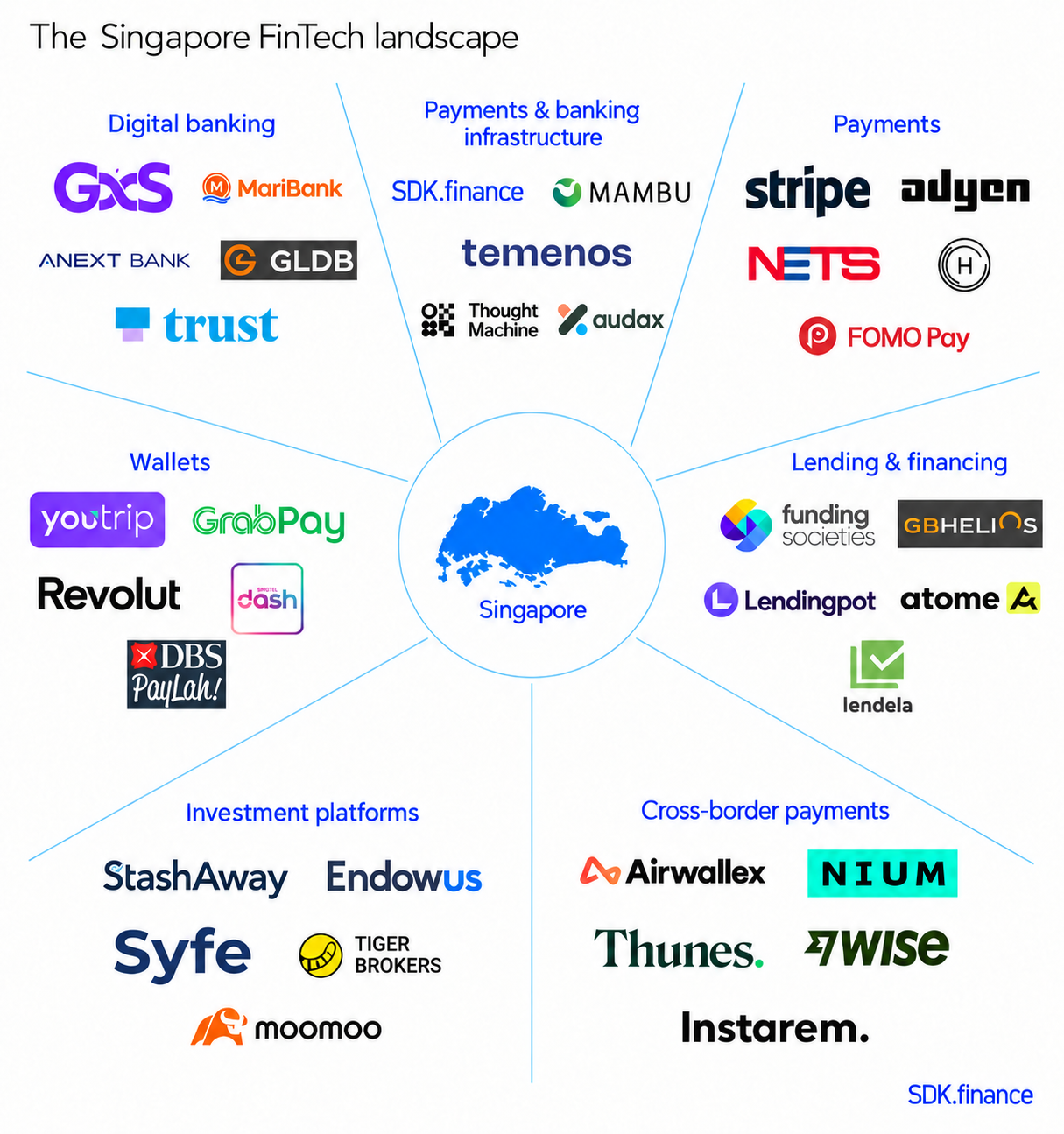
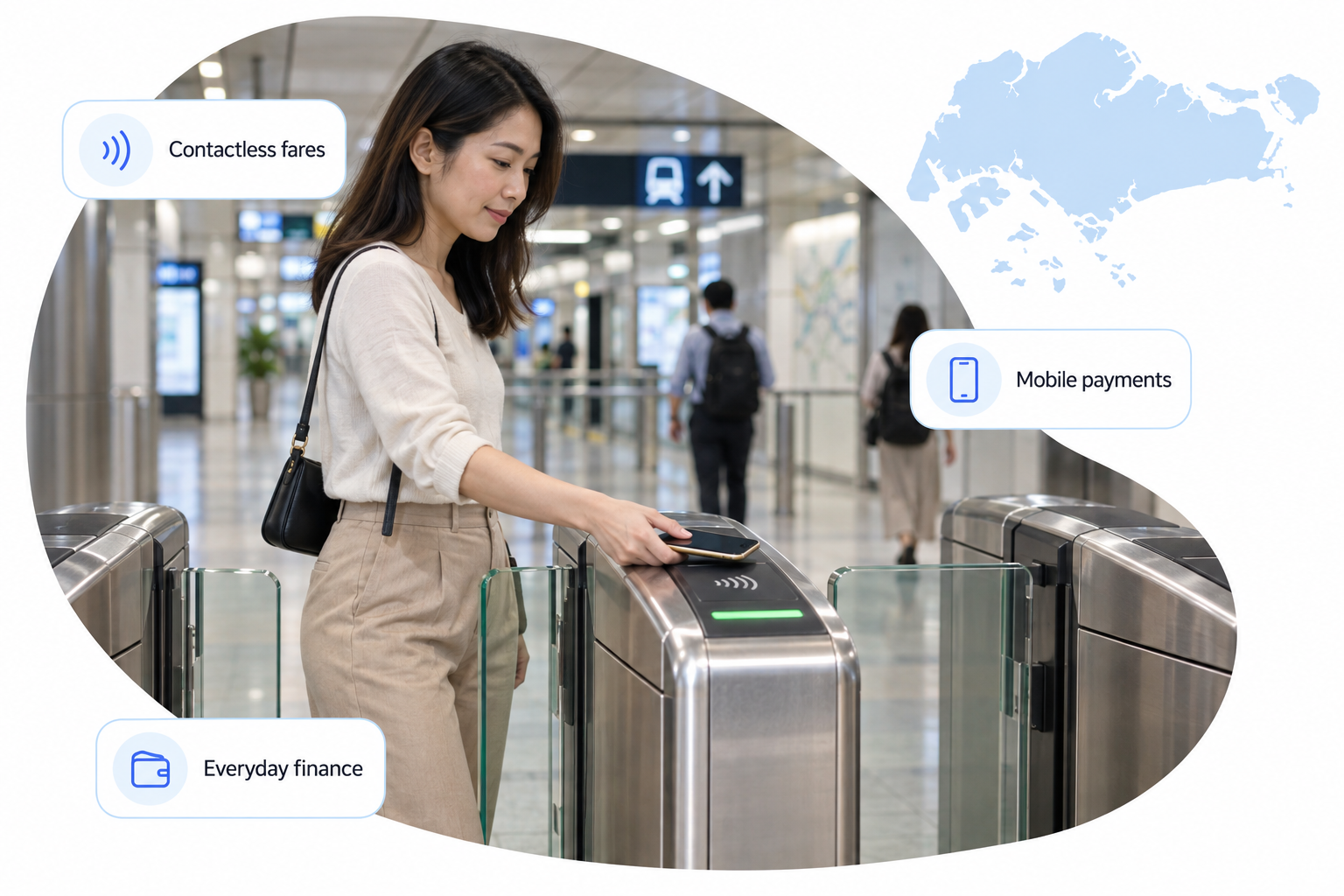
The map highlights selected payment and banking businesses. The table and profiles explain their roles; Beyond payments extends the overview to wealthtech, insurtech, lending, RegTech, and digital assets. Examples are selected to illustrate different customer needs, not to rank providers. Inclusion does not imply a partnership or native integration with SDK.finance.
Providers and the different roles they play
| Provider | Entity category | Role and example use |
| SDK.finance | FinTech software provider | Provides software for building digital wallets, payment services, and other financial products for the Singapore market. |
| Airwallex | Business financial services and embedded finance provider | Business accounts, foreign exchange, transfers, payment acceptance, and spending tools; APIs for embedded services. |
| Nium | Cross-border payment infrastructure provider | Enables platforms to add supported international payout capabilities to their products. |
| Thunes | Cross-border payment network | Connects business and institutional payment workflows to supported recipient endpoints. |
| YouTrip | Consumer multi-currency wallet | Lets eligible users hold, exchange, and spend money for travel and overseas purchases. |
| GXS Bank | Digital bank | Offers eligible customers savings and borrowing products through a digital banking experience. |

SDK.finance
SDK.finance serves founders, financial businesses, and development teams building their own products. Its software core supports remittance services, digital banking products, wallets, merchant payments, and currency exchange workflows. Singapore-based teams can use that foundation to develop their customer experience and connect the financial providers required for a local or regional launch. Its role is software provision; the team’s operating model determines who supplies regulated services.

Airwallex
Airwallex serves businesses managing international revenue, supplier payments, and employee spending. Its Singapore offering brings business accounts, foreign exchange, transfers, payment acceptance, and spend management together, with APIs for platforms embedding these services. For a Singapore-based finance or product team, its relevance is the connection between money movement and business administration, including accounting integrations, rather than a single payment feature.

Nium
Nium serves banks, FinTech companies, and enterprises that need cross-border collections, payouts, and card services. With roots and a headquarters in Singapore, it supplies payment infrastructure that customers integrate into their own services. For a regional product team, Nium is relevant when assessing how a payout proposition could reach particular countries and recipient methods through one provider connection.

Thunes
Thunes serves financial institutions, payment providers, and businesses moving money internationally. Headquartered in Singapore, its network connects supported bank accounts, cards, and mobile wallets. For a Singapore-based remittance or payout product, it illustrates why recipient access matters: a service may need to reach customers who use different account types, rather than offer only bank-to-bank transfers.

YouTrip
YouTrip serves consumers in Singapore who travel or spend across currencies. Its multi-currency wallet combines in-app exchange with a payment card and spending controls. For teams researching a consumer financial product, it is a reference for keeping currency choices, payment information, and card security within one customer journey. It represents a finished consumer service rather than the software foundation for building one.

GXS Bank
GXS Bank serves customers in Singapore through an app-based banking experience, including savings and borrowing products. Its savings account combines transaction visibility with tools for organising money, while lending addresses a separate customer need. For product teams, GXS is a reference for connecting everyday account use and credit within a bank’s service, rather than treating a wallet and a bank account as equivalent products.
Beyond payments: other parts of the ecosystem
These five examples show how other sectors serve distinct needs. They complement the payment and banking profiles rather than form a separate ranking.
Endowus
Wealthtech. Singapore-based investors use its digital wealth service to invest cash and eligible Central Provident Fund (CPF) and Supplementary Retirement Scheme (SRS) savings. For product teams, it shows why investment journeys need to distinguish the funding source, investment purpose, and portfolio from an everyday spending balance.
bolttech
Insurtech. The Singapore-headquartered business works with insurers and distribution partners to bring protection products into customer journeys. Its technology covers processes such as quoting, buying, and servicing cover. For a platform considering embedded insurance, it illustrates the connection between distribution, the insurer, and the policy lifecycle.
Funding Societies
Digital lending. Its Singapore offering serves SMEs with business loans and financing for accounts payable and receivable. These products address working-capital needs, including the gap between paying suppliers and collecting invoices. For a B2B product team, it is a reference for linking financing to the business’s cash cycle.

Tookitaki
RegTech. Banks and payment businesses use its FinCense software for work such as transaction monitoring, screening, and case management, with a Singapore-bank case study among its examples. For a product team, it represents the operational tools needed to investigate risk and manage alerts alongside the payment system.
StraitsX
Digital assets. Businesses use its payment and stablecoin infrastructure to connect supported fiat and digital-asset workflows, including conversion between SGD and XSGD. Its Singapore operations make it relevant to teams exploring token-based payments. Such a design must distinguish the token, redemption arrangements, and banking or payment connections.
These categories can overlap within one product. MAS’s ecosystem overview distinguishes financial sectors from enabling technologies such as APIs, AI, and digital identity, a useful distinction when comparing businesses.
Why Singapore attracts FinTech businesses
Singapore offers product teams a concentration of financial institutions, technology providers, and innovation programmes. MAS’s ecosystem overview brings together payment initiatives, digital identity, financial data sharing, and industry collaborations. This gives teams several starting points for finding partners and testing a proposition.
The opportunity varies by customer: a domestic product needs a clear local use case, while a regional service must handle differences between markets. The workflows below show how those priorities change the product requirements.
Domestic demand versus regional business
The domestic market includes everyday transfers, merchant payments, banking, investment services, and insurance distribution. Regional businesses add another set of needs: receiving overseas revenue, paying suppliers, managing currencies, and distributing money to customers or merchants in other markets.
Different businesses need different financial workflows:
- Retailers: reliable payment acceptance and clear settlement reports.
- Regional marketplaces: merchant balances, fee calculations, and payouts across currencies.
- Investment businesses: records that separate available cash from committed or invested amounts.
- Insurance platforms: a clear link between the policy, premium payment, and insurer.
Support and connections for FinTech teams
Different resources serve different stages of a product’s development:
- FSTI 4.0 supports technology adoption, shared infrastructure, innovation activities, and talent development through dedicated tracks. Match the project to a track and check its eligibility and application requirements before including support in the budget.
- The MAS Regulatory Sandbox allows defined live experiments within a limited scope and duration, with safeguards and specific regulatory adjustments. It is a testing route, not a permanent exemption from the requirements that apply after exit.
- The Singapore FinTech Association connects the industry through its community, activities, and member directory. It is a useful starting point for identifying organisations to research and approach.
- The Singapore FinTech Festival brings together financial institutions, technology businesses, investors, and policymakers. Use it to arrange focused conversations with potential partners and customers, rather than treating attendance as a substitute for market validation.
Why regional payments shape the Singapore opportunity
Regional payments become valuable when they solve the business work around a transfer. A supplier wants to know which invoices have been paid. A marketplace seller wants a clear payout amount after fees and refunds. A finance team wants to see which currency balances are available and which funds are still in transit.
Marketplace payouts and currency choices
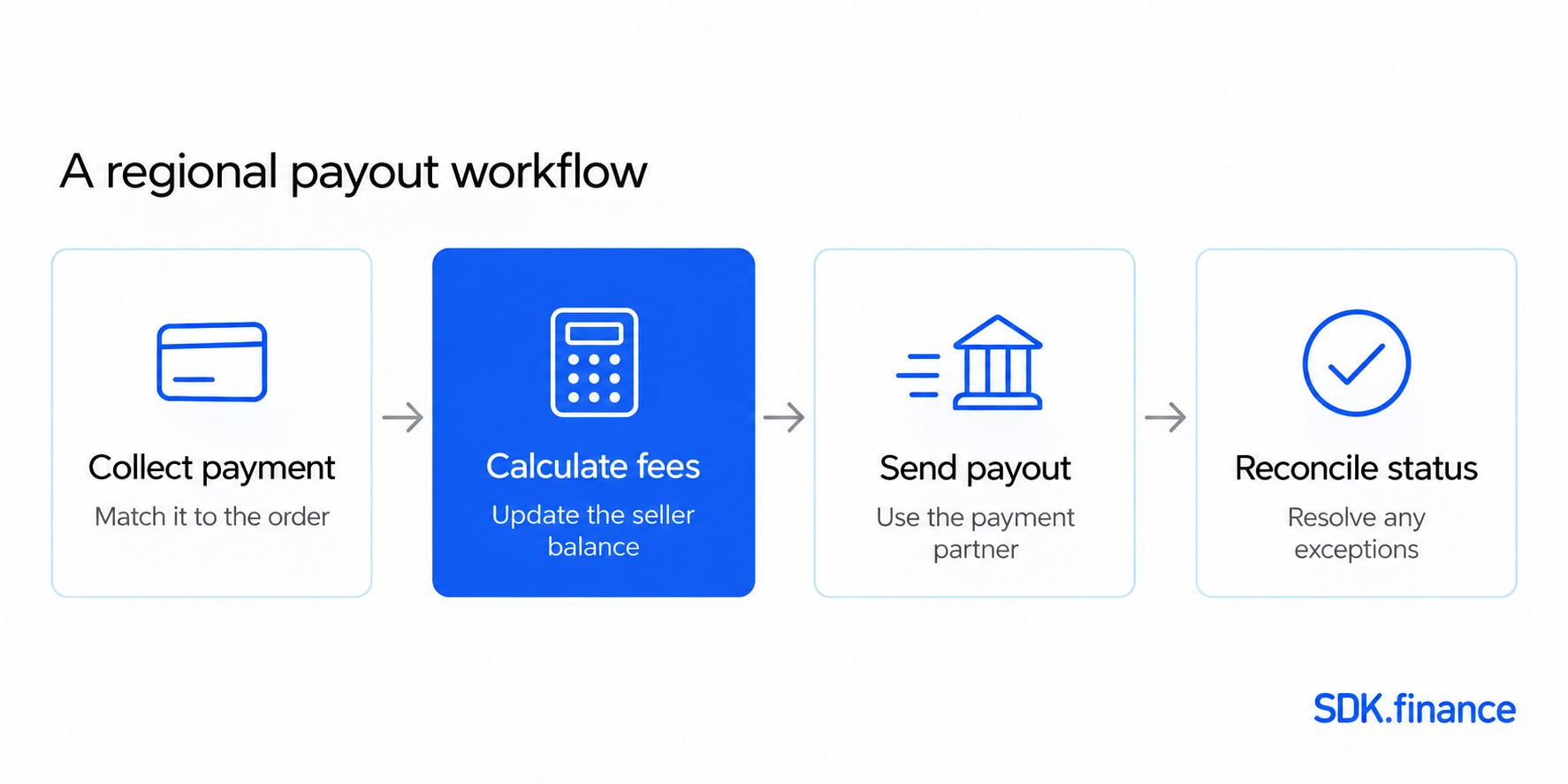
Consider an illustrative Singapore-based marketplace that collects from buyers and pays sellers in several countries. It needs to connect each sale to the correct seller, calculate its fee, record refunds, and prepare the payout. The payment provider then handles the supported external transfer. The marketplace still needs to explain the payment status and resolve exceptions.
In this model, the customer experience depends on who chooses the payment currency and when conversion occurs. The launch checklist below turns those choices into requirements for pricing, records, and operations.
Corporate spending and approvals
Corporate spending has a similar pattern. A company may want employees to pay overseas suppliers while managers approve expenses and the finance team keeps consistent records. Cards and transfers are part of the service; approvals, expense data, and accounting references make it usable inside the business.
Regional coverage is specific to the customer type and payment route. A route for consumer remittances may not support business payouts; assess the intended use case rather than a provider’s headline country count.
FAST, PayNow and SGQR: different layers of the payment experience
Transfers and addressing
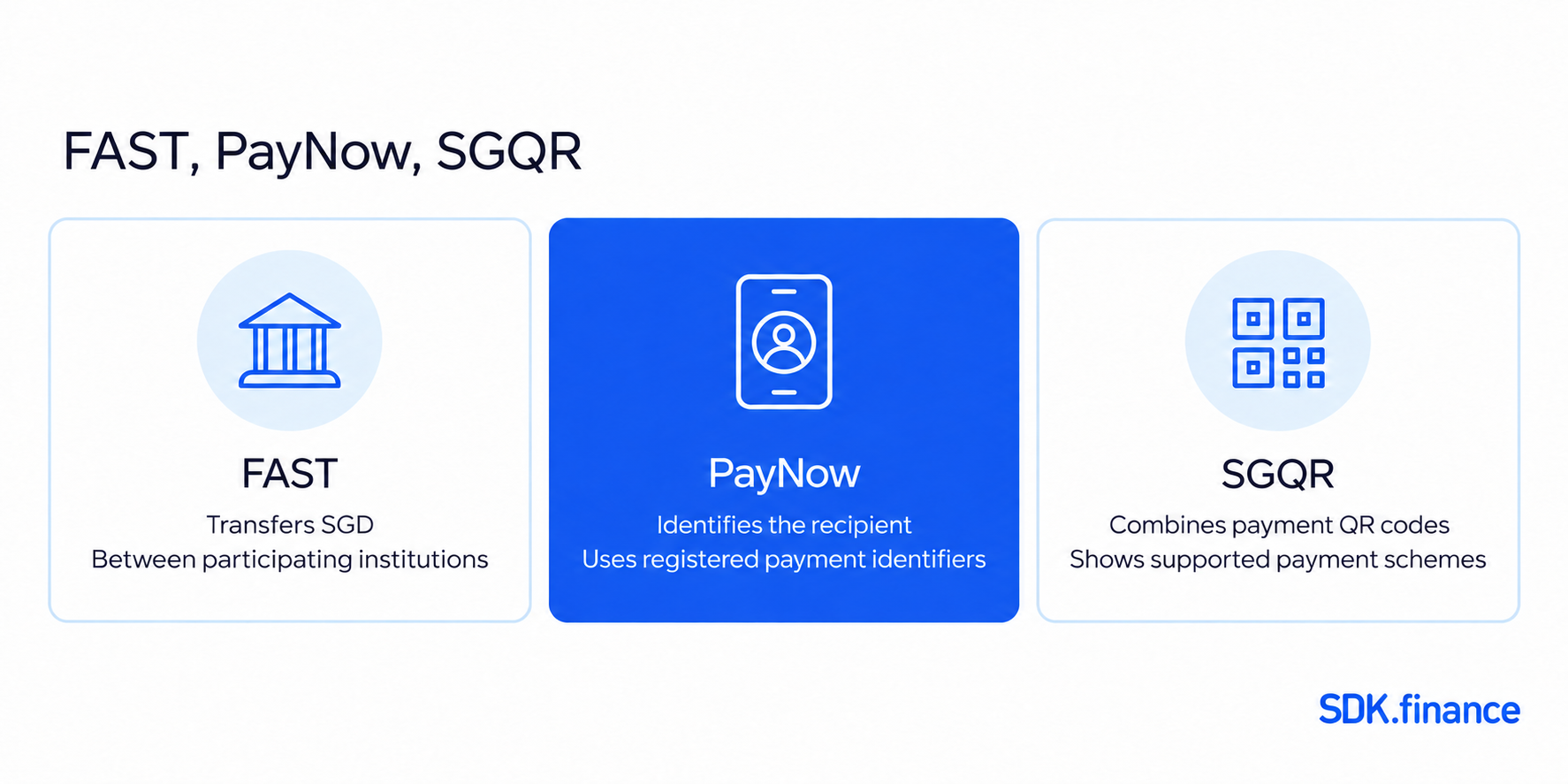
FAST, PayNow, and SGQR solve different problems. Understanding those differences helps a product team ask a provider for the right capability and describe it accurately to customers. MAS’s overview of Singapore’s e-payment infrastructure places these services within the wider payments system.
FAST, short for Fast and Secure Transfers, supports almost immediate Singapore-dollar transfers between participating institutions. It is the transfer infrastructure behind many domestic payment experiences. A product team must still establish how its chosen bank or payment partner makes that infrastructure available to its service.
PayNow makes addressing a payment easier. Instead of entering bank account details, a sender can use a registered identifier, such as a mobile number or a business’s Unique Entity Number. PayNow builds on FAST for domestic Singapore-dollar transfers. The convenient identifier and the underlying transfer are related, but they are not the same function.
QR acceptance and cross-border links
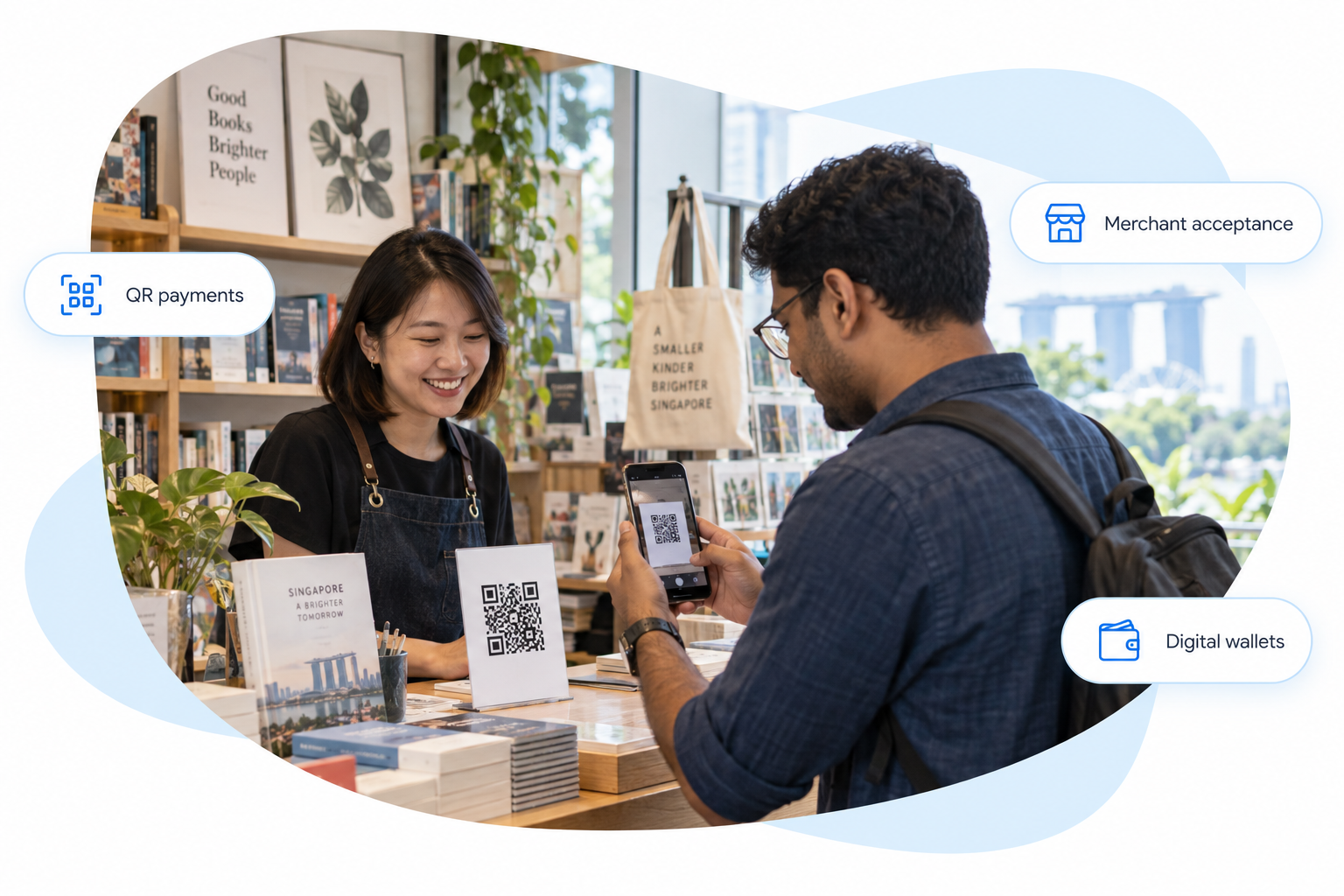
SGQR is a common QR standard that brings supported payment schemes into one label. It reduces the need for a merchant to display multiple separate codes. It does not mean that every wallet can pay every SGQR label, or that the QR standard itself holds and settles the merchant’s funds.
For merchant acceptance, confirm which schemes the provider supports, how the merchant receives payment confirmation, and when funds reach the settlement account.
Singapore also has cross-border payment linkages for selected markets and participants. Check the specific service offered by your partner, including eligibility, transaction limits, and supported recipients. Domestic familiarity with PayNow does not establish the scope of an international service.
Launch your digital bank in weeks, not years
Talk to Our TeamMAS licensing and the boundaries of a regional launch
Payment institutions and banks
The required licence depends on the activities and money flows, not the app’s appearance or forecast revenue. The MAS licensing framework distinguishes:
- Standard Payment Institution (SPI): specified payment services within the applicable statutory transaction and e-money thresholds.
- Major Payment Institution (MPI): specified payment services above those thresholds. An MPI licence is not a banking licence.
- Money-changing licence: for businesses providing only money-changing services, involving the exchange of currency notes.
Banking and investment services need a separate permissions assessment. Check the legal entity and its authorised activities in the MAS Financial Institutions Directory.
Responsibilities to define before launch
Use MAS’s payments regulations and guidance to allocate responsibility for:
- Receiving and holding customer funds, including any required safeguarding arrangements.
- Identity checks, transaction monitoring, and regulatory reporting.
- Instructing transfers, handling complaints, and resolving failed payments.
- Recording customer entitlements and reconciling them with bank and payment-provider records.
An in-app balance does not prove that funds have arrived. Safeguarding and deposit protection are different concepts; confirm the treatment under the product’s legal structure and terms.
Limits of a regional launch
Singapore authorisation is not an ASEAN-wide licence. Assess permissions, local partners, and operating responsibilities in each target market. Digital payment token services also need a separate scope assessment; conventional payment permissions are not blanket approval for them.
Product opportunities and a practical launch checklist
The opportunity is to make financial work easier for a defined customer. Two useful starting points are a clearer view of regional cash and payments embedded in an existing business workflow.
Make regional cash positions understandable
A B2B finance product can bring currency balances, expected receipts, and pending payouts into one view. The useful distinction is between money available to use and amounts still waiting for confirmation or settlement. The interface should preserve the originating currency and explain any converted reporting value, including the rate and time used.
A consolidated cash view is only useful if it also makes the timing and source of each balance clear.
Embed payments into an existing business workflow
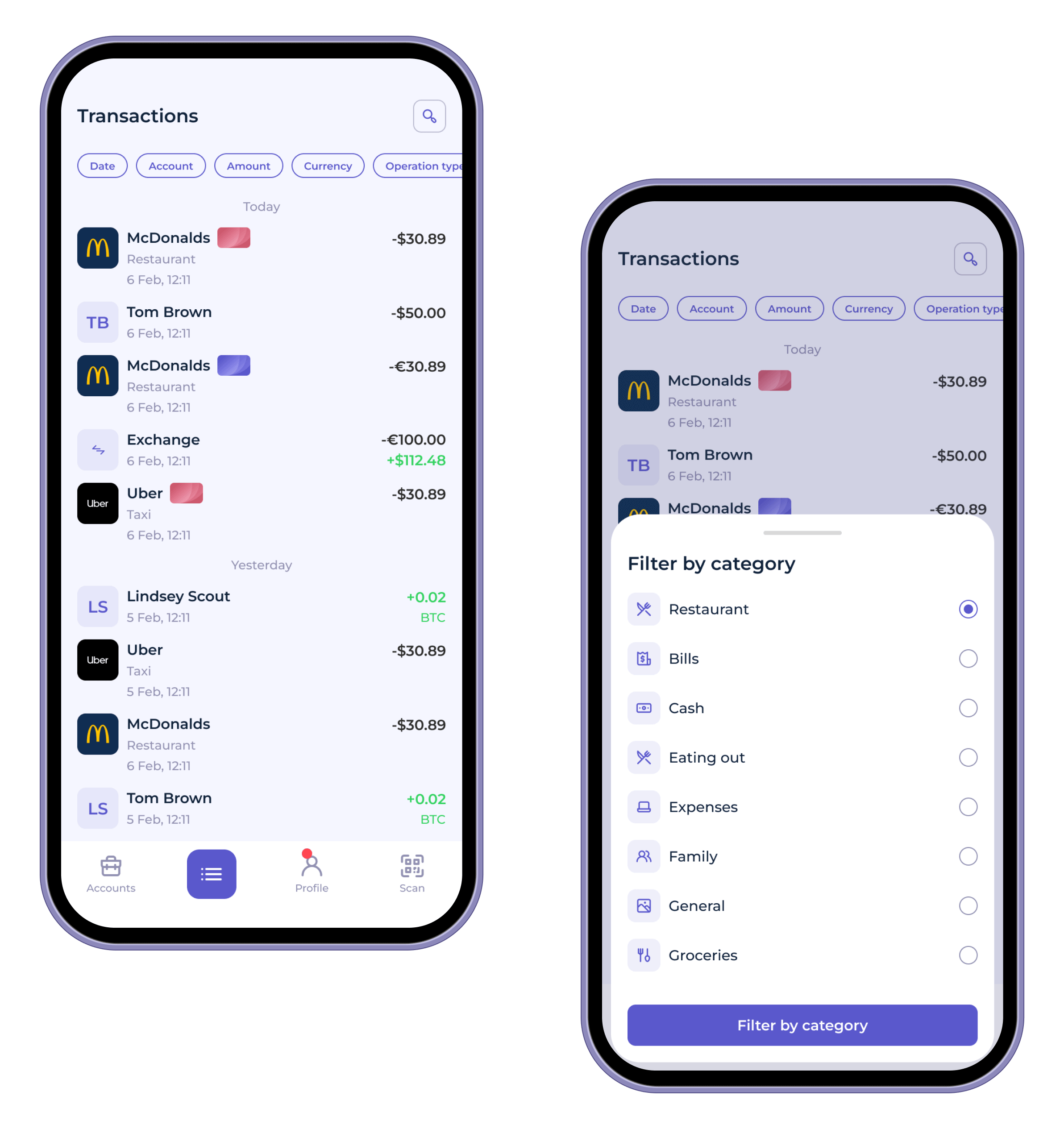
A marketplace can let sellers manage receipts and payouts inside the software they already use. That removes the need to piece together order information and payment information across separate interfaces. The following workflow illustrates the product journey.
A practical launch checklist
For an illustrative Singapore-based marketplace, assign each decision to an owner before implementation. This separates customer-balance records, external money movement, access to payment infrastructure, and reconciliation.
| Decision | What to establish | Suggested owner |
| Customer balances | Define available, reserved, and pending amounts. Name the system that records each seller’s entitlement. | Product and ledger teams |
| External money movement | Confirm who receives funds and executes payouts, for which customer types, currencies, and destinations. | Payments team and contracted provider |
| Access to payment infrastructure | Confirm access to the required FAST, PayNow, or SGQR services and each international route. Record eligibility and funding conditions. | Partnerships and legal teams |
| Currency conversion and pricing | Specify the rate source, quote expiry, conversion timing, fees, and currency shown on the seller’s statement. | Treasury and product teams |
| Payment exceptions | Define accepted versus completed statuses, duplicate-prevention controls, retry rules, and the process for rejected or returned payouts. | Engineering and payment operations |
| Reconciliation | Match internal transactions and ledger entries to independent provider reports using stable identifiers. Set timing tolerances and an owner for discrepancies. | Finance and operations teams |
Assess AI and tokenisation by use case
Singapore’s innovation programmes offer concrete examples of how to evaluate emerging technology:
- AI agents: in July 2026, MAS and industry partners published Safeguards for Agentic Finance at Runtime (SAFR), a proposed framework for controlling AI agents carrying out financial tasks. For a product team, this makes permissions, intervention, and monitoring part of the design, not an afterthought.
- Tokenisation: MAS’s Guardian initiative explores tokenised financial and real-economy assets. Treat participation and experiments as evidence of development, not proof that a service is available to every business. A proposed product still needs a clear asset, counterparties, settlement process, and redemption arrangements.
Build a Singapore-focused FinTech product with SDK.finance
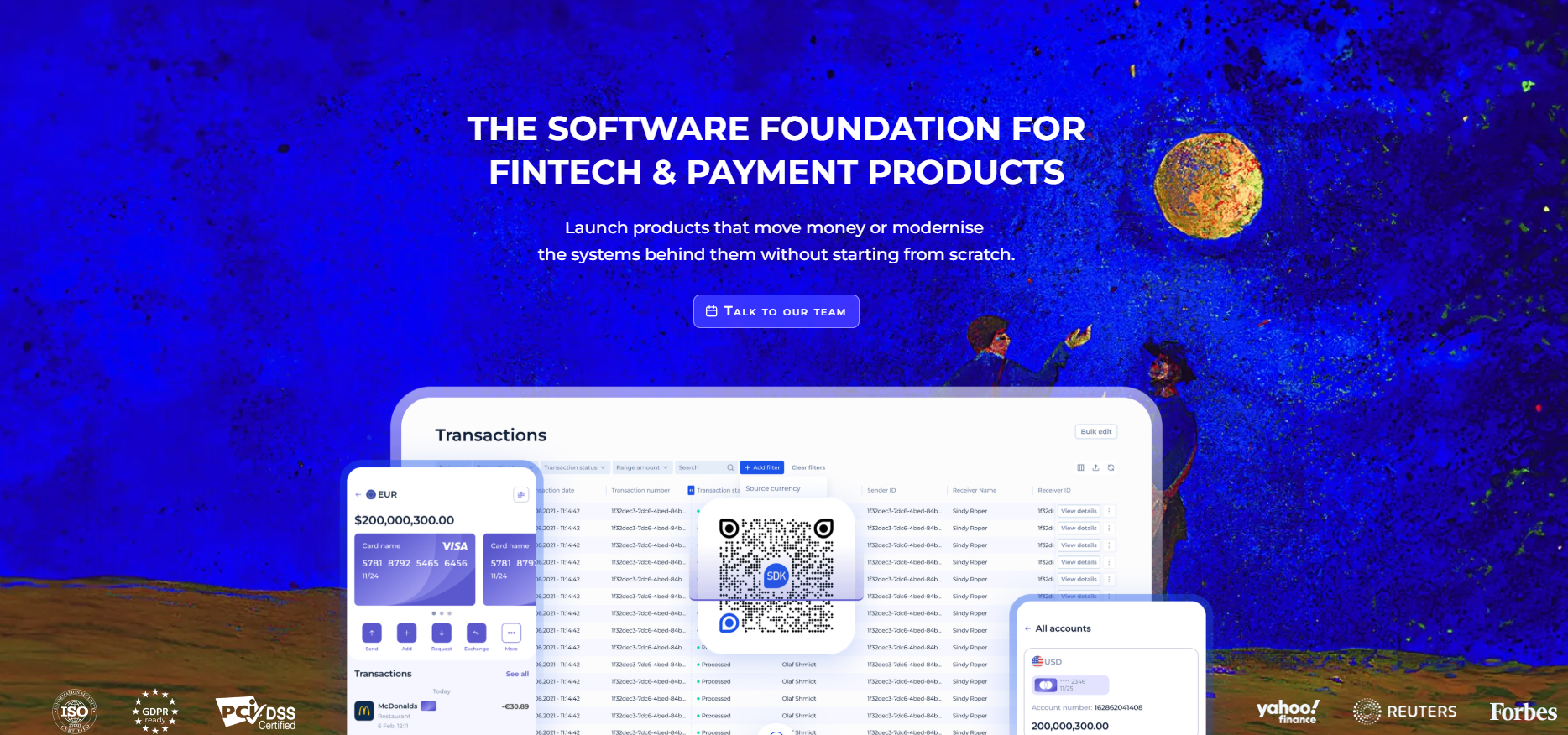
SDK.finance is a FinTech software company that develops transaction-processing and ledger infrastructure for financial businesses. For founders, payment teams, and systems integrators in Singapore, its role is to provide the software behind a product’s balances, payments, and operations, while the team develops its customer experience and connects financial partners.
Two products for transaction processing and financial records
- SDK.finance Transaction Platform manages accounts, wallets, multi-currency balances, and payment workflows. Teams can configure transaction fees and limits, manage customer profiles, and give operations staff role-based access through the backoffice.
- SDK.finance General Ledger turns business events into balanced debit and credit entries using configurable accounting rules. It supports currency-specific records and can work alongside an existing transaction system, so improving financial records does not have to mean replacing the whole core.
What this means for a Singapore-based launch
A product serving Singapore and neighbouring markets needs to connect local customer journeys with regional money movement. SDK.finance provides reusable software capabilities for that work:
- Multi-currency accounts and wallets: maintain separate balances by currency and configure internal transfers and exchange workflows. This gives a Singapore-based product a foundation for serving customers across currencies; external conversion and payouts require the relevant financial partners.
- Configurable double-entry accounting: use General Ledger mapping rules to turn payment, fee, and other business events into balanced journal entries. Teams can define their accounting treatment without hard-coding every posting into the customer application.
- Flexible fees and transaction limits: configure percentage, fixed, or combined charges and limits by amount, frequency, or period. This supports different pricing and usage rules for customer segments and payment services.
- Merchant payment workflows: support payment requests, refunds, and payouts, with online acceptance connected through payment gateways. Teams can build the operational flow around a merchant payment, including what happens after the initial collection.
- Transaction and currency reconciliation: compare internal records with uploaded provider files, identify discrepancies, and track their resolution. Finance teams can investigate missing transactions and balance differences in a defined workflow.
- An API-first core with 650+ APIs: build customer interfaces and connect external services around the transaction platform. Its modular architecture supports product development on an existing core.
Choose SaaS or source code to match your team’s responsibilities
- SaaS suits teams that prefer SDK.finance to manage application hosting and scheduled platform updates. The customer manages its databases, while product configuration and API-based extensions support its requirements. Confirm integration and support responsibilities in the agreed scope.
- Source Code Licence provides a ready-made software core on which your team can build its own financial product. Use it as the foundation for a wallet, remittance service, merchant payment solution, or digital banking product, then customise its business logic, interfaces, and integrations for your customers and target markets. Your team controls deployment and ongoing development, with responsibility for hosting, maintenance, security, and updates.
For a Singapore launch, compare these models against your data-management requirements, integration workload, and long-term development plans. Start with one customer journey and a defined payment corridor, then assess the transaction, ledger, and partner connections it needs.
Turn Singapore’s FinTech opportunities into a launch plan
Singapore brings together financial services, payment infrastructure, and technology providers. A useful launch plan connects that ecosystem to a specific customer need, a workable operating model, and a clear allocation of responsibilities.
For teams developing their own financial product, the next step is to define the accounts, transaction workflows, and accounting events the service needs. Explore the transaction and ledger foundation for your regional financial product, then assess how it will connect to the partners responsible for moving the money.
Launch your digital bank in weeks, not years
Talk to Our Team