FinTech companies in Nigeria span digital banking, merchant payments, mobile money, lending, remittances, and financial infrastructure. For founders, product leaders, and technical teams researching the market, the useful question is how these business models work and which capabilities each requires. Building a wallet, serving merchants, and offering credit involve different revenue streams, partners, and software requirements.
This guide explores FinTech companies in Nigeria by business model and the technology behind their services. It also looks at SDK.finance, a FinTech software provider that helps product and engineering teams build and modernise financial products.
Discover how the SDK.finance TPS can power high-speed, secure operations across banking, fintech, and retail
Talk to Our TeamNigeria’s Fintech Landscape 2026
Nigeria’s FinTech landscape brings together digital banks, payment providers, mobile wallets, lenders, savings platforms, remittance services, and infrastructure companies. The map below groups them by the services they offer.
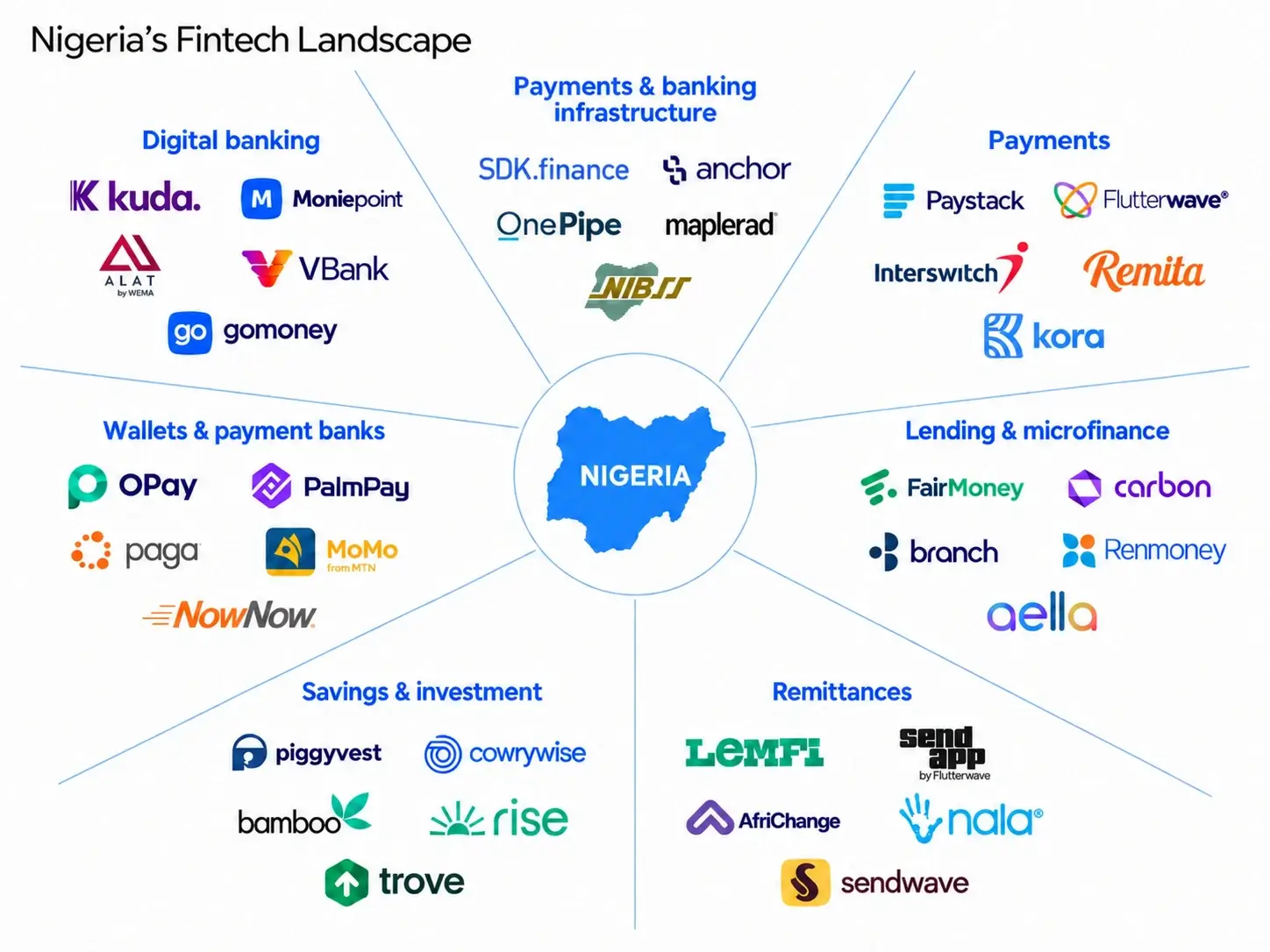
FinTech companies in Nigeria by business model
| Company or product | Business-model category | Typical customer or use case |
|---|---|---|
| SDK.finance | FinTech software provider | Software for product teams building accounts, wallets, payment workflows and accounting. |
| Kuda | Digital banking | Personal and business accounts through Kuda Microfinance Bank. |
| Moniepoint | Digital banking | Business accounts, POS terminals and working-capital services, alongside personal banking. |
| Paystack | Merchant payments | Online and in-person payment acceptance, including Terminal tools and subscription billing. |
| Flutterwave | Merchant payments | Business collections, payouts, payment links and invoicing. |
| Interswitch | Payment infrastructure | Financial institutions, merchants and consumers using payment infrastructure, Verve or Quickteller. |
| OPay | Mobile money and wallets | Consumer transfers, bill payments and merchant-facing services. |
| PalmPay | Mobile money and wallets | App-based transfers, payments and cash-in/cash-out services. |
| Paga | Mobile money and wallets | Consumer payment services and business payment infrastructure. |
| FairMoney | Lending and microfinance | Banking and credit-led financial services. |
| Carbon | Lending and microfinance | Banking and credit, including business accounts and SME loans. |
| LemFi | Remittances | International transfers to Nigeria from supported sending markets. |
| Send App by Flutterwave | Remittances | Consumer cross-border transfers, including supported transfers to Nigeria. |
| PiggyVest | Savings and investment | Automated, fixed-term and goal-based savings. |
| Cowrywise | Savings and investment | Savings plans and access to mutual funds. |
| Mono | Data and payment infrastructure | Financial-data and payment APIs for businesses building financial products. |
Nigerian FinTech market overview
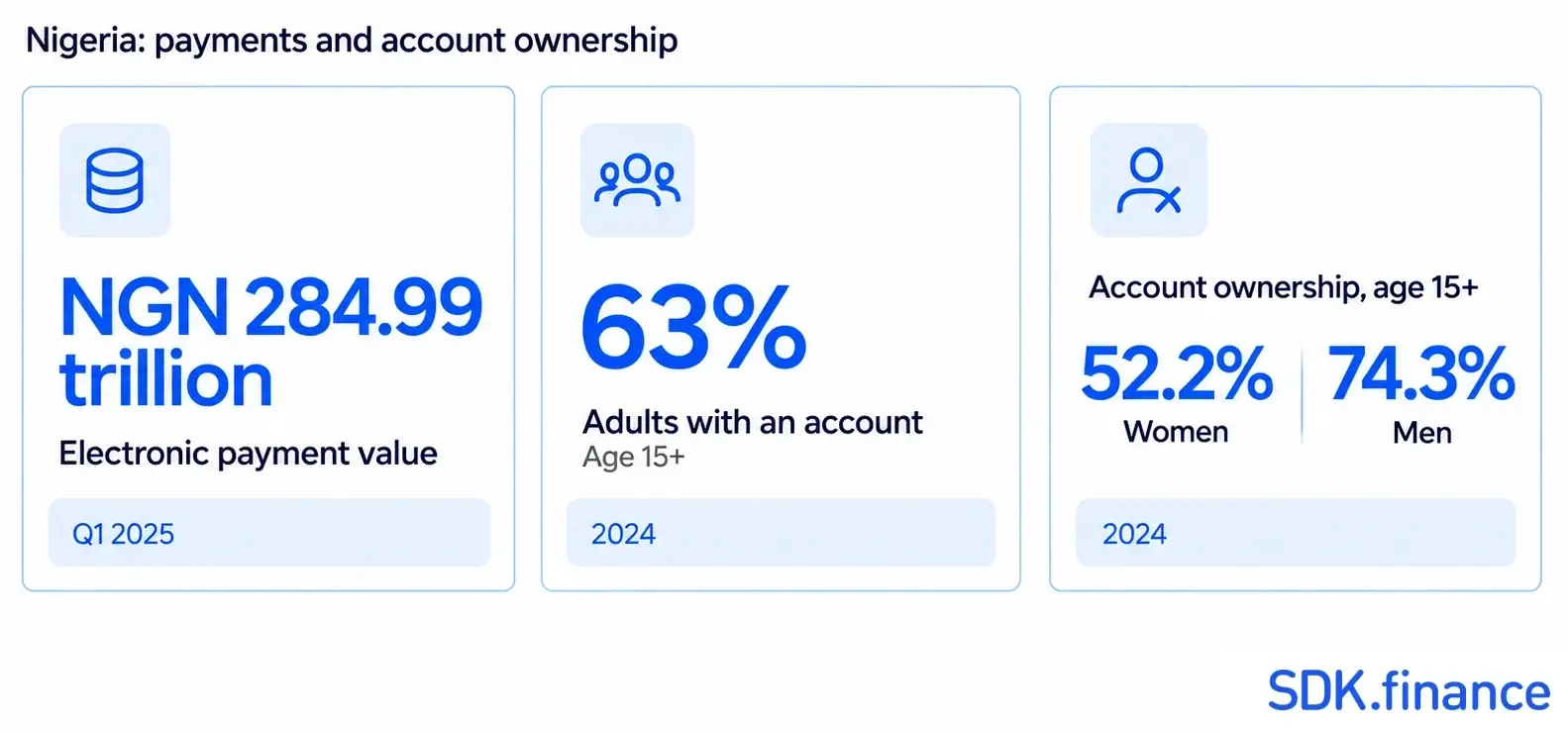
The scale of digital payments is substantial. NIBSS reports electronic payment value of NGN 284.99 trillion in the first quarter of 2025, following approximately NGN 1.07 quadrillion over the full year of 2024. These figures measure the value processed through payment channels, not FinTech company revenue or market valuation. For operators, this scale makes reliable transaction processing and reconciliation central to the product.
Access remains uneven. The World Bank’s Global Findex 2025, based on surveys conducted in 2024, puts account ownership in Nigeria at approximately 63% of adults aged 15 and above, up from 45% in 2021. Its gender data shows a substantial gap: 52.2% of women had an account in 2024, compared with 74.3% of men. For product teams, these findings point to the need to understand onboarding barriers and design services around underserved customers, alongside improving the experience for existing users.
Digital banks and neobanks in Nigeria
Digital banking covers both personal and business services.

Kuda
Kuda offers app-based banking through Kuda Microfinance Bank. Its services include accounts for individuals and businesses.
Moniepoint
Moniepoint serves personal and business banking customers. Its business offering combines accounts with point-of-sale (POS) terminals and working-capital services.
For product teams, the useful comparison is between workflows: personal spending, merchant collections, staff access, and business cash flow require different controls.
Revenue can come from lending, payment services, account fees or business subscriptions, depending on the offering. The core operational requirement is a reliable account record: staff must be able to trace a customer’s payment, balance change and dispute. Assess those capabilities alongside the app experience.
Payment gateways and PSPs in Nigeria
Payment service providers (PSPs) help businesses accept and process payments.
Paystack
Paystack supports online payment acceptance and in-person payments through its Terminal tools. It also offers subscription billing for businesses collecting recurring payments.
Flutterwave
Flutterwave provides payment collection and payout services for businesses. Its commerce tools include payment links and invoices.
Interswitch
Interswitch provides payment processing and infrastructure for financial institutions, merchants and consumers. Its offering includes Quickteller and the Verve card network.
A gateway connects the merchant’s checkout to payment services; a processor routes payment messages; an acquirer manages the merchant’s card-acceptance relationship. A provider may cover more than one role. Compare the actual service and contract rather than treating these labels as interchangeable.
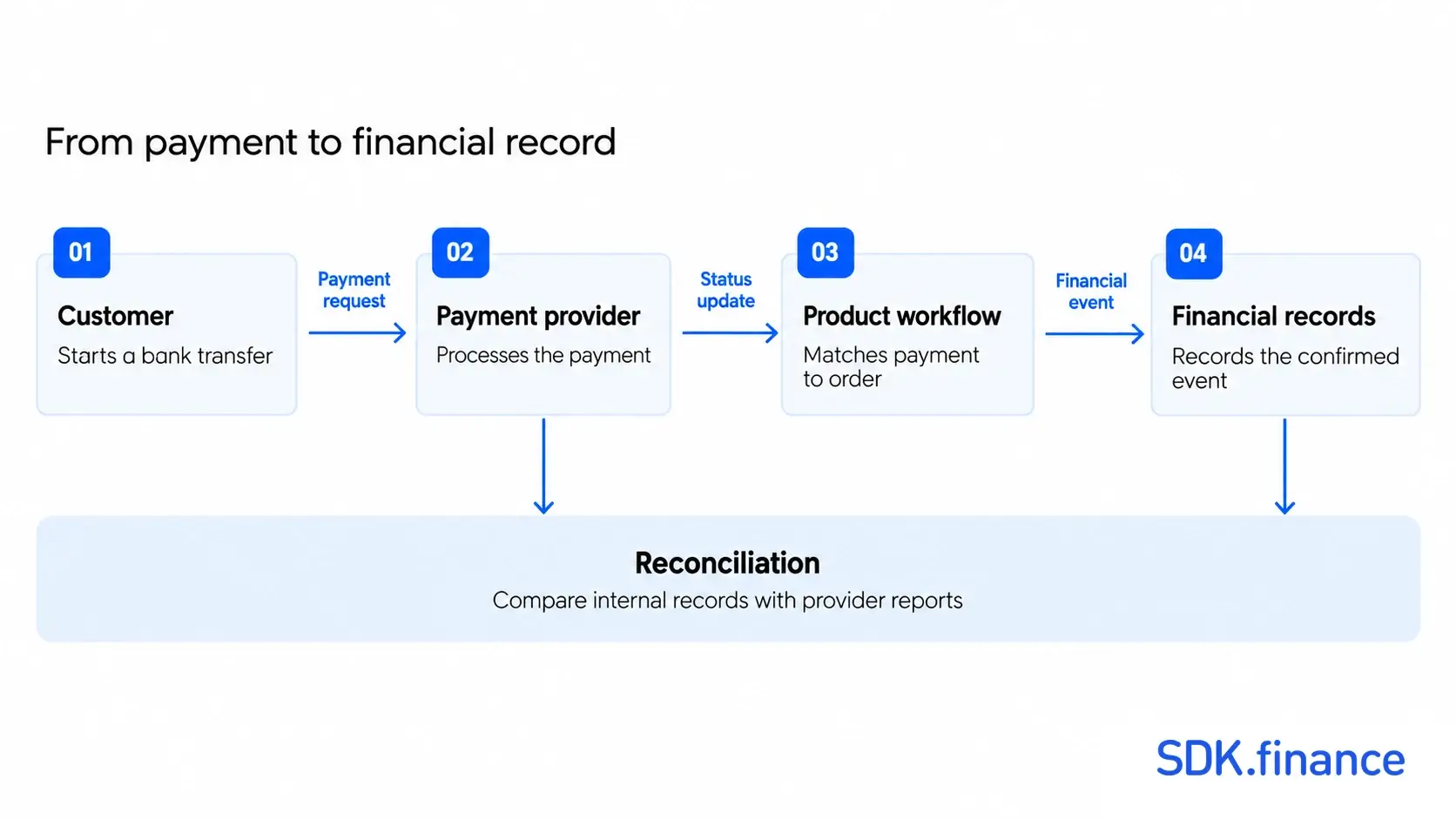
Revenue commonly comes from transaction charges and additional services. For merchants and product teams, the practical comparison is payment-method coverage, settlement timing, refunds, support and the reports needed to match collections to orders. The payment journey below explains how to handle confirmations and exceptions.
Wallet and mobile-money providers
Wallet and mobile-money services focus on everyday transfers, bill payments and access to funds.
OPay
OPay offers a consumer app for transfers and bill payments. It also provides merchant-facing services for businesses accepting payments.
PalmPay
PalmPay provides app-based transfers and payments for consumers. Its offering also includes merchant services and cash-in and cash-out services.
Paga
Paga provides consumer payment services. It also supplies payment infrastructure for businesses.
The CBN list identifies OPay Digital Services, PalmPay and Pagatech as mobile-money operators; savings or credit offered within an app may involve another institution.
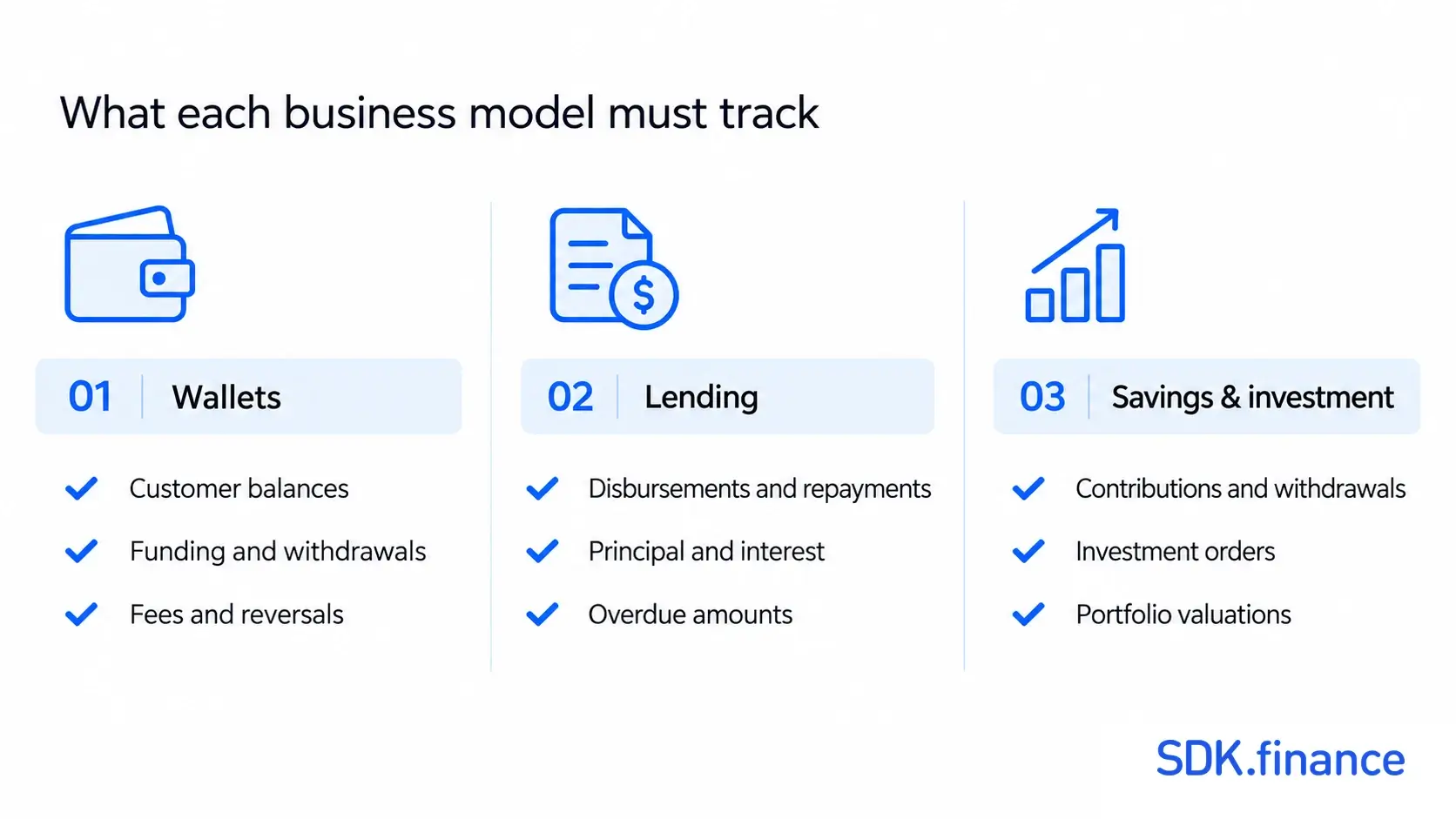
The model can earn revenue from payment fees, merchant services, commissions or partner products, even when some consumer transfers are free. For agent-based cash-in and cash-out, teams must track customer balances separately from agents’ available cash, electronic balances and commissions. Clear records make failed withdrawals and reversals easier to investigate.
Lending and microfinance FinTechs
Lending and microfinance providers combine credit with banking services.
FairMoney
FairMoney offers personal loans through its microfinance banking model. Its services also include savings and banking.

Carbon
Carbon combines banking and credit services. Its business offering includes accounts and loans for small businesses.
For a team designing a credit product, the important decisions are borrower eligibility, repayment schedules, and how to show the total borrowing cost before acceptance.
Interest and fees generate income, while funding costs, unpaid loans, fraud and collections reduce it. Before building this model, establish who funds the loan, approves the borrower and carries the loss if repayment fails. High payment volume is not evidence of a profitable lending business.
The software must cover applications, credit assessment, disbursement, repayment tracking, collections and accounting. A transaction platform can support money-related workflows, but a credit-decision engine and a loan-management system may be separate components.
Savings and investment platforms
Savings and investment platforms help customers set money aside for future goals.

PiggyVest
PiggyVest offers automated savings. Customers can also choose fixed-term and goal-based savings options.
Cowrywise
Cowrywise offers savings plans. It also provides access to mutual funds for customers looking to invest.
For product teams, these models require clear rules for scheduled contributions, locked funds, withdrawals, and investment orders. The interface should distinguish money available to spend from money saved or invested, and explain relevant withdrawal conditions and risks.
Revenue may come from management or service fees and other product-specific arrangements; it should not be inferred from customer balances. For builders, the key requirement is to keep savings records, investment orders and portfolio valuations distinct from spendable wallet funds. Agree which system maintains each record and how it connects to the investment provider.
Remittance providers serving Nigeria
Remittance services connect customers in supported sending markets with recipients in Nigeria.
LemFi
LemFi offers international money transfers from supported sending markets. Nigeria is among its receiving destinations.
Send App by Flutterwave
Send App is Flutterwave’s consumer remittance product. It supports international transfers to Nigeria from eligible sending markets.
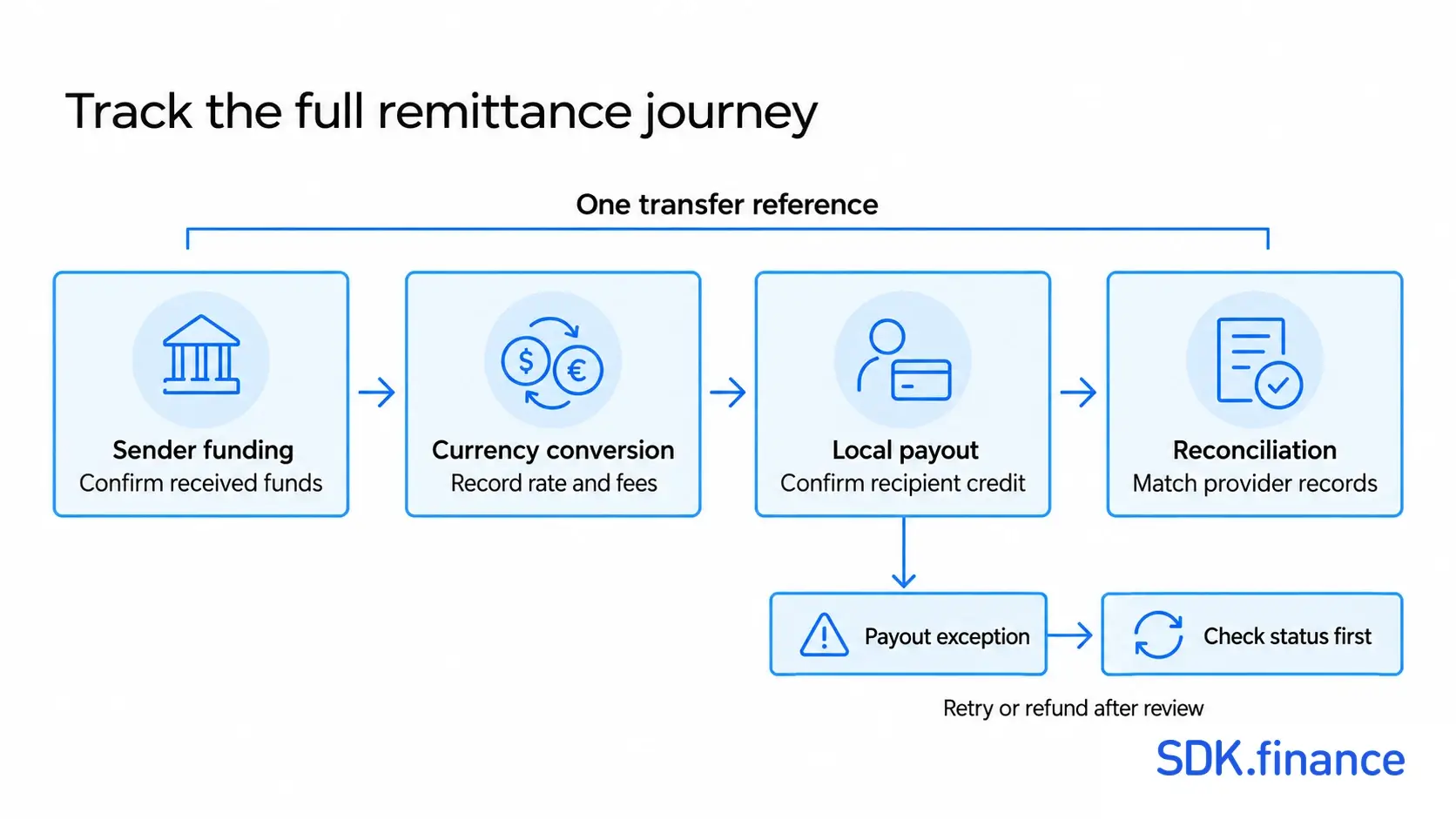
Teams developing remittance services need to define each sending-country-to-Nigeria route separately, including verification requirements, transfer limits, receiving currency, and payout method.
Revenue can include transfer fees and a margin in the exchange rate. A product team must account for both when setting prices and show the sender the total cost and expected recipient amount. Operationally, it must track funding, currency conversion and payout under one transfer reference, including a refund if the payout cannot be completed.
Infrastructure and software vendors
Infrastructure and software providers support the services that financial products rely on.
NIBSS
NIBSS operates NIBSS Instant Payment (NIP). The service connects participating institutions for account-based transfers.
Mono
Mono supplies APIs for financial-data access. Its offering also includes APIs for bank payments.
SDK.finance
SDK.finance provides software for accounts, wallets and transaction workflows. Its accounting software supports the financial records behind these operations.
These providers serve complementary needs: access to payment infrastructure, financial data and software for internal operations.
Commercial models vary by layer: API usage charges, transaction fees, software subscriptions or licences. For a product team, the first question is what it needs to buy: access to data, a payment service or software to run its own operations. The Fintech Association of Nigeria also supports the wider ecosystem through industry connections and knowledge sharing.
Discover how the SDK.finance TPS can power high-speed, secure operations across banking, fintech, and retail
Talk to Our TeamHow to verify a FinTech provider in Nigeria
Before signing a contract, check four things:
- Identify the legal entity: match the product terms and proposed contract to the entity delivering the service, not only the group brand.
- Check the activity and register: use the CBN payment service provider register for the relevant payment category and the SEC directories for relevant capital-market activities. Distinguish licence categories from sandbox or incubation participation.
- Confirm responsibility for funds and service: establish who holds funds, executes payments, handles complaints, and supplies settlement records. An API connection alone does not establish permission to use a payment network.
- Confirm operational access: agree contracts, consent requirements, technical onboarding, and approval to process live transactions before treating an integration as ready to use.
The technology stack behind a FinTech product
Core software layers and external integrations
The exact architecture depends on the product, but the same questions recur across the FinTech industry in Nigeria:
- Customer experience: which app, web interface or merchant system initiates the action?
- Identity and access: how are customers verified and staff permissions controlled?
- Transaction workflows: how are requests, limits, fees and transaction states managed?
- Accounts and wallets: which balances are available, reserved or pending?
- Financial records: how do business events become balanced accounting entries?
- External integrations: which banks, payment providers and other services execute or support the operation?
- Reconciliation and operations: how are internal records matched with provider reports and exceptions resolved?
Decide which system maintains the main record for each balance and transaction status. A provider’s payment confirmation, a customer’s available balance, and an accounting entry describe different parts of the same event. Define how updates pass between them and how staff investigate a mismatch.
A payment journey from confirmation to reconciliation
Consider an illustrative NGN 10,000 merchant payment, with an assumed NGN 100 provider fee. These figures are examples, not a provider’s tariff. After verifying the provider’s success notification against the payment reference, amount, and currency, the system marks the order as paid and records the NGN 10,000 payment. If the same confirmation arrives twice, it records the payment only once. This is idempotent processing.
When the provider pays NGN 9,900 into the merchant’s bank account, reconciliation matches the NGN 10,000 payment, NGN 100 fee, and NGN 9,900 bank credit. Any unexplained difference is flagged for investigation. Settlement moves the funds; reconciliation checks that the payment records, fees, and bank receipt agree.
This distinction matters in Nigeria’s instant-payment environment. NIBSS describes NIP as enabling real-time beneficiary value ahead of deferred net settlement. A successful customer-facing transfer and final settlement between institutions are therefore not interchangeable concepts.
How to choose a software foundation
Before a vendor demonstration, map one complete transaction journey and identify which system maintains each balance. Then use the same checklist to test every candidate:
- Transaction workflows: demonstrate successful payments, timeouts, duplicate notifications, partial refunds and provider outages using your product’s actual event types.
- Accounting and controls: inspect the rules that turn transactions into accounting entries, the audit history, access permissions, reconciliation records, and data export.
- Integration effort: confirm the API version, data formats, test environment and development work needed for your chosen providers.
- Deployment and maintenance: establish hosting, modification rights, upgrade responsibilities, support and the team’s capacity to maintain the system.
- Operating costs: compare implementation, hosting, maintenance, provider charges and the people needed to operate the service, not just the software fee.
Choose the scope of the purchase deliberately. A new wallet or payment product may need a transaction platform for accounts and workflows. An established operator may need only a general ledger connected to its existing systems. This distinction helps avoid replacing systems that already work.
Build the foundation for your Nigerian FinTech business with SDK.finance
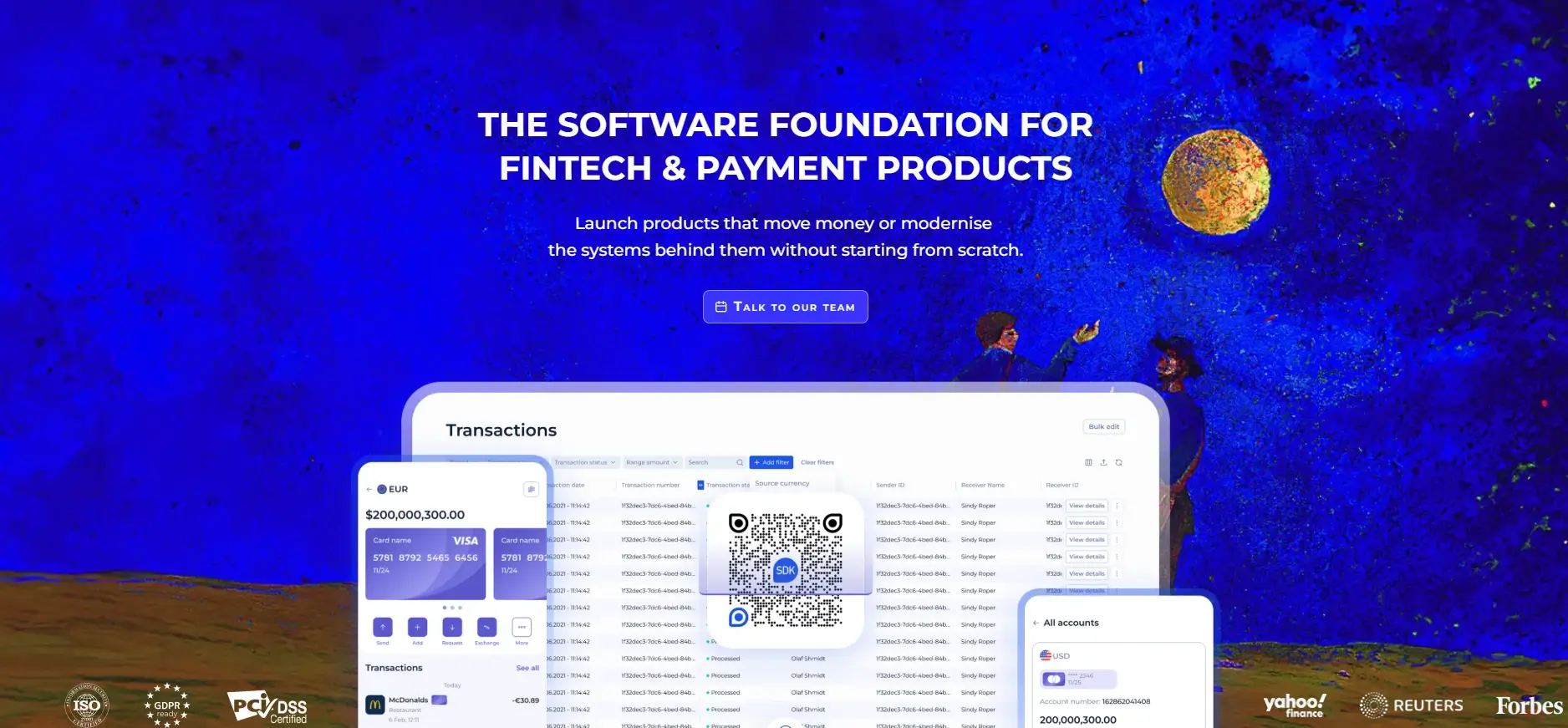
SDK.finance helps teams connect a Nigerian FinTech product’s customer-facing experience with its account, transaction, and accounting records. Around the team’s chosen banking, payment, and identity partners, its software supports three practical needs:
- Wallet funding and transfers: Use the SDK.finance Transaction Platform to manage customer accounts and balances, configure fees and transaction limits, and connect funding and withdrawal flows to the team’s chosen Nigerian banking or payment partners.
- Merchant collections and refunds: Build collection and refund workflows around external provider integrations. Map provider statuses and failure scenarios to the transaction lifecycle so customer-facing records reflect the outcome of each payment.
- Payment and settlement accounting: Use SDK.finance General Ledger alongside an existing transaction system to translate payment, fee, reversal and settlement events into balanced journal entries. Configured accounting rules help teams record customer payments and later inter-provider settlement separately, then reconcile records against provider statements.
Implementation still depends on agreed partner access and accounting rules that match the product’s actual payment flows.
The delivery model depends on how much of this implementation your team wants to manage:
- SaaS: SDK.finance manages application hosting and scheduled updates, while your team manages its databases, configures the platform and develops API-based integrations. For a Nigerian launch, this keeps the focus on customer journeys and local provider connections, provided the workflows fit the available configuration and APIs. Confirm hosting, database and integration responsibilities during scoping; the SaaS model does not include direct backend source-code access.
- Source code: Your team can modify the platform code and control its deployment environment. This is relevant when a Nigerian FinTech needs bespoke partner integrations or core transaction logic beyond API-level extensions. The source-code model requires capacity to manage hosting, code changes and maintenance, with support and update arrangements agreed separately.
Match the business model to the right infrastructure
Nigeria’s FinTech ecosystem is not a single group of interchangeable providers. Digital banks, payment companies, lenders, remittance operators, and software vendors address different parts of the market. The company map is a starting point for understanding those roles, not a ranking or a substitute for checking the service your business needs.
For teams building a product, a useful shortlist connects each requirement to a provider or internal system, with clear responsibility for implementation and daily operations. That makes the choice more concrete: which software is needed, which partners must be engaged, and which capabilities can remain in the existing stack.
Planning to launch or modernise a FinTech product for Nigeria? Contact us to discuss your transaction flows, local integration requirements and the SDK.finance delivery model that fits your team.
Discover how the SDK.finance TPS can power high-speed, secure operations across banking, fintech, and retail
Talk to Our Team