
What does a payment platform like Stripe actually mean?
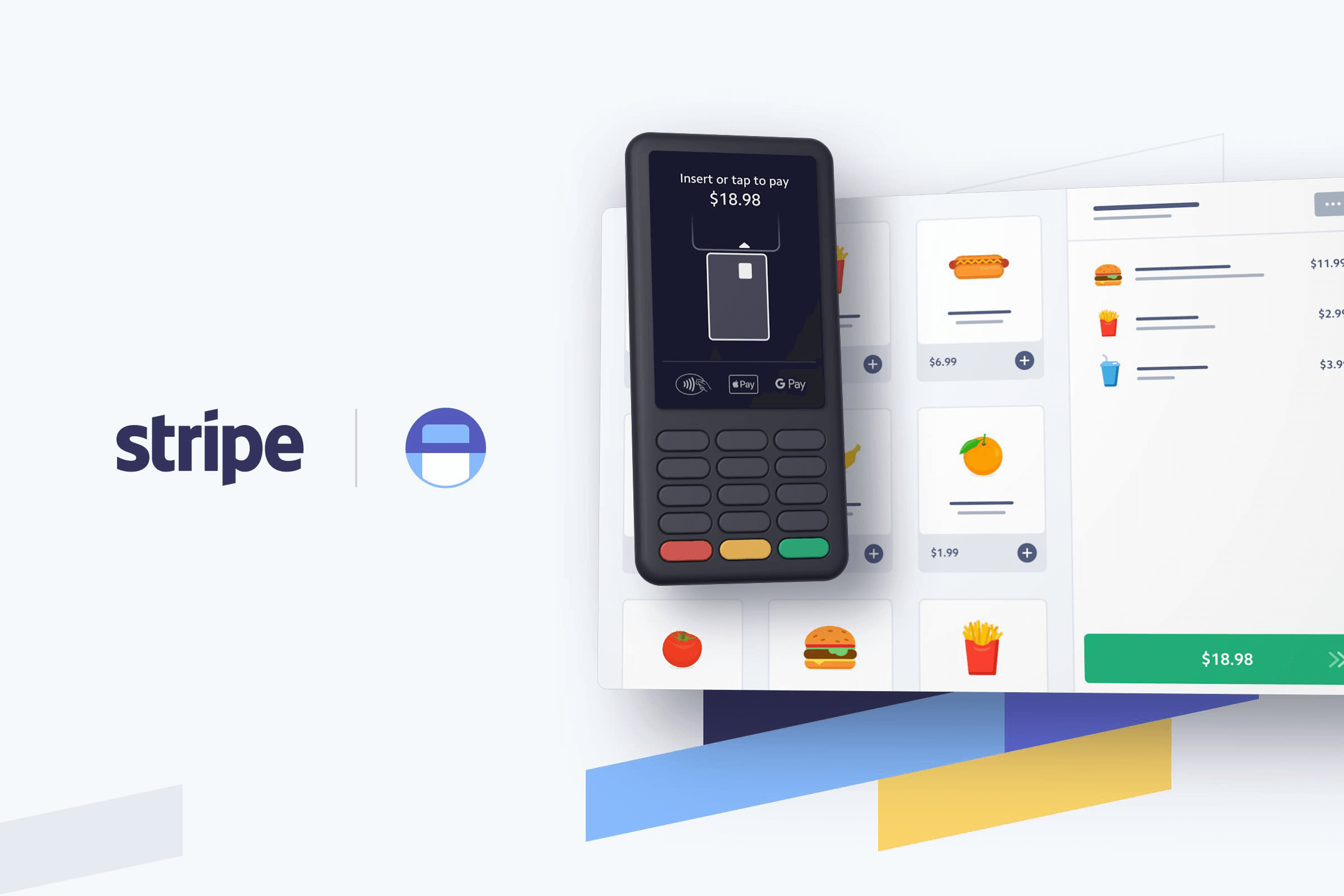
Stripe is an Irish-American financial services and software-as-a-service company that provides a suite of payment processing and financial infrastructure tools for businesses. It was founded in 2010, and its range is broader than a single “payment gateway” or “processor” – it now spans online and in-person payment acceptance, billing and subscriptions, Connect for multi-party platforms, fraud tooling, and additional services such as tax and identity.
A team that says it wants to “build something like Stripe” almost always means one narrower part of that range – typically payment acceptance and transaction processing – not the whole product line, which is exactly the scoping question at the heart of how to build a payment platform like Stripe.
For scale, not as a target to match – a small set of current, first-party facts:
- $1.9 trillion in total volume processed by businesses running on Stripe in 2025, up 34% year on year
- 5 million+ businesses powered directly or through platforms by Stripe’s programmable financial services
- Around 50 countries and regions, several marked Preview or reached through Stripe’s Paystack-powered network – check current status before assuming coverage
- Over 135 currencies supported
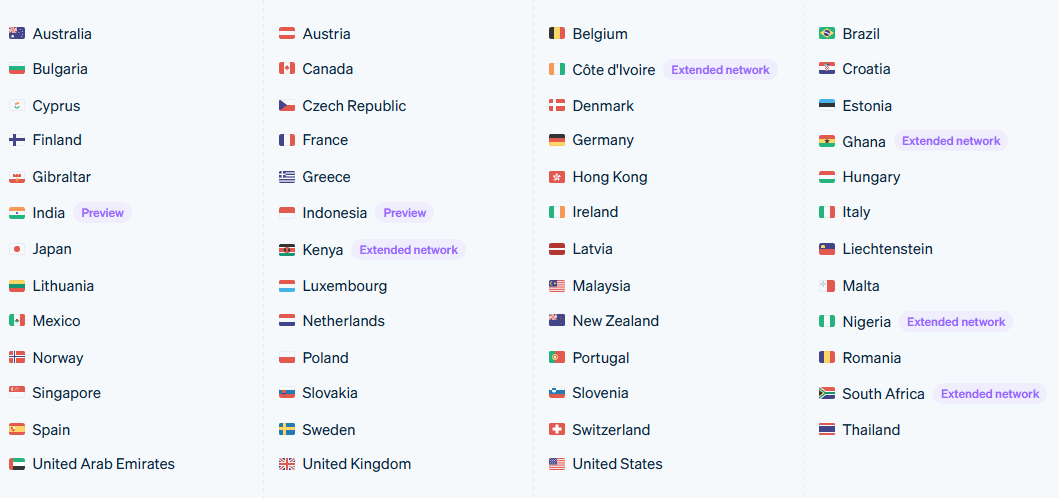
A country’s absence from that list isn’t, on its own, evidence of a market opportunity: local payment methods, provider coverage and licensing in that market matter far more than whether Stripe operates there, and Stripe’s own footprint changes over time.
Payment platform vs gateway vs processor vs PSP: what’s the difference?
A payment gateway, processor, acquirer, PSP and payment platform are related but distinct roles, and marketing copy often uses them interchangeably when it shouldn’t. Getting this right matters for scoping a build correctly, whether the question is how to build a payment platform like Stripe or, more narrowly, how to create a payment gateway like Stripe.
| Layer | Responsibility | Typical external dependency |
|---|---|---|
| Payment gateway | Securely captures and transmits payment data from checkout to the processor or acquirer. | Processor or acquirer it routes to |
| Payment processor | Technically processes the payment message: receives the request, routes it, returns a status. | Card networks, issuing banks |
| Acquirer | Connects the merchant to card payments and routes funds through a card scheme. | Card scheme, settlement bank |
| PSP (payment service provider) | A broad category covering payment acceptance, processing, transfers and merchant services – often combines several of the roles above. | Card schemes, banks, sometimes its own acquiring licence |
| Payment platform | Manages the full transaction lifecycle – accounts, ledger, fees, merchant workflows, reporting – and orchestrates the roles above through integrations. | Gateway, processor, acquirer, bank, or several combined |
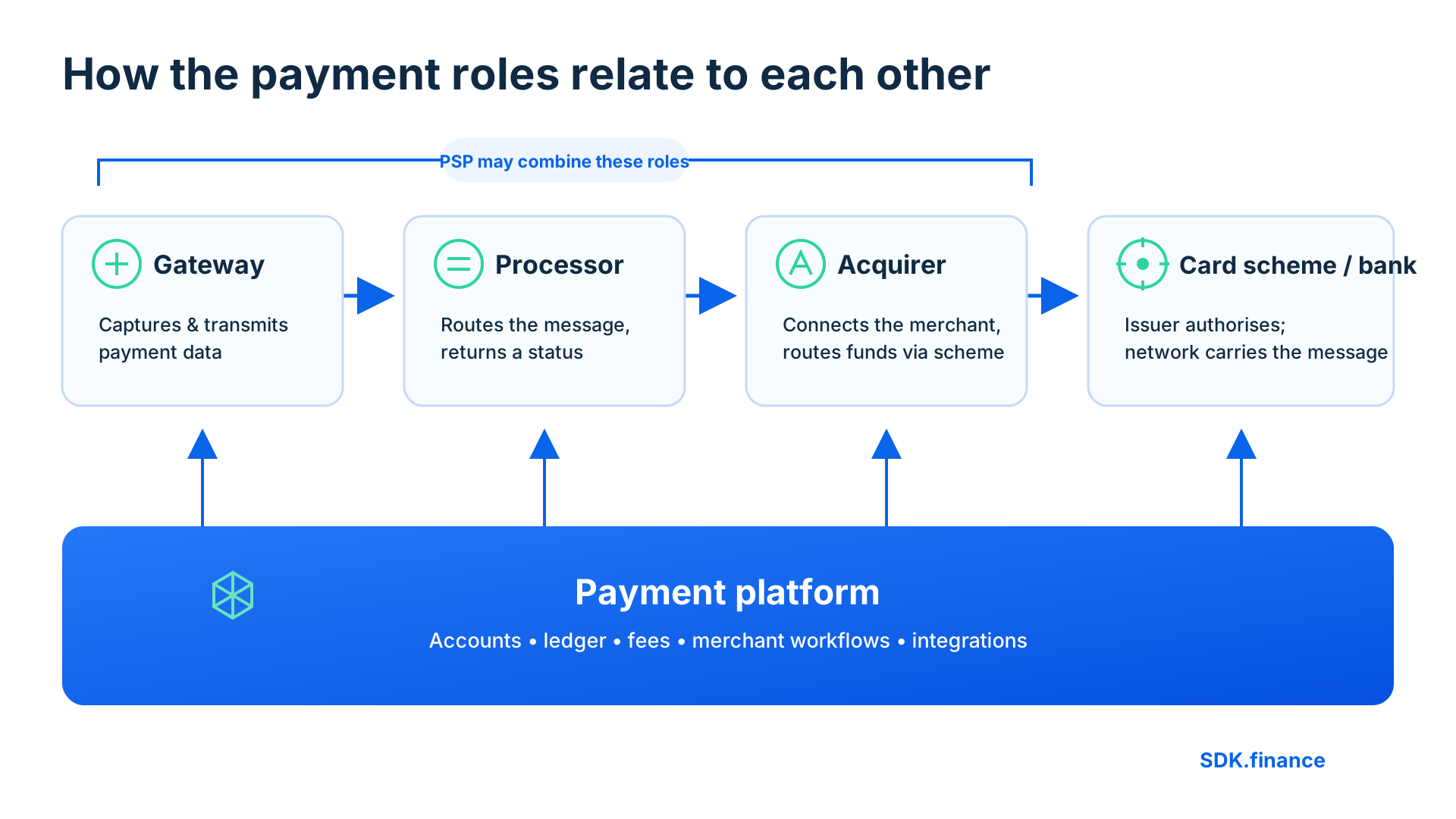 A new entrant rarely needs to replicate every one of these roles in-house. Most Stripe-like builds licence or integrate the acquiring, network and rail layers and build, or buy, the orchestration, ledger and merchant-management layer above them – which is what “payment platform” means for the rest of this article. If your product is closer to a broad consumer payment app that combines a wallet, peer-to-peer transfers and merchant acceptance in one, how to build a PayPal-like payment platform covers that different combination of roles.
What capabilities does a Stripe-like platform need?
- MVP: merchant onboarding and KYB; checkout and payment-method support for the methods target customers actually use; transaction status tracking (created, authorised, captured, settled, refunded); configurable fees and limits; refunds; payouts on a defined schedule.
- Later stage: full chargeback and dispute workflows; ledger-level reconciliation against provider settlement reports; deeper fraud and compliance integrations (sanctions screening, ongoing monitoring); reporting and back-office tooling for non-engineers; broader API and webhook coverage for merchants’ own developers.
What does a reference architecture for a Stripe-like platform look like?
Designing a payment system like Stripe – the core of any payment platform architecture – means arranging it in layers: a customer or merchant interface initiates the request, an API gateway captures and routes it, a transaction platform applies accounts, fees and merchant-workflow rules, a ledger records and reconciles the movement, and a provider, acquirer or bank authorises and moves the funds over a payment rail. Statuses, webhooks and settlement data flow back the other way, and security, monitoring and back-office reporting cut across every layer.
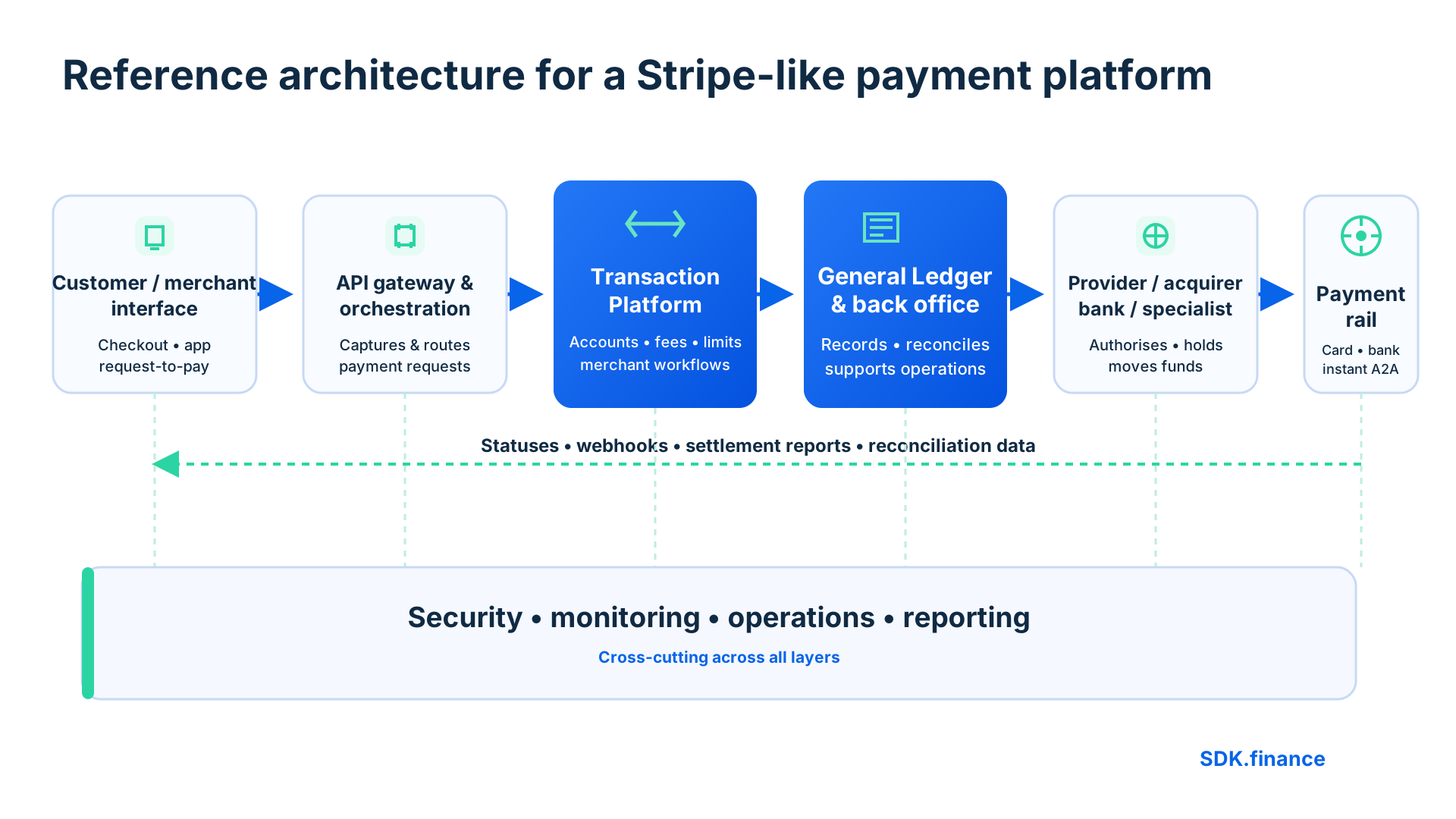
The interface, orchestration, transaction platform and ledger are software a business can own, licence or build. The provider and the payment rail sit with a bank, acquirer, card scheme or payment institution.
Confusing the two is where build-vs-buy discussions often go wrong: the software decision and the regulated-partner decision are separate choices, even when one vendor helps with the first and integrates the second. SDK.finance’s guide to payment processing system architecture covers this layering in more depth – the same groundwork behind most Stripe payment system development and payment platform architecture work, regardless of which vendor’s software sits in each layer.
Launch your payment project in record time
Talk to Our TeamBuild from scratch, buy a ready-made foundation, or use a hybrid model?
Building from scratch gives full control at the highest engineering cost; a ready-made SaaS foundation launches fastest with the least customisation; a hybrid model – a source-code foundation plus your own provider integrations – sits between the two.
The same three trade-offs apply whether you’re deciding how to build a payment processor for one specific flow or a full payment platform like Stripe: build your own payment processor from scratch, buy a ready-made foundation, or combine the two. For a team that wants a more customisable payment platform without the cost of building every layer from zero, the hybrid path is usually the one worth evaluating first.
| Approach | Control | Time to MVP | Engineering effort | Best fit |
|---|---|---|---|---|
| Build from scratch | Full | Months to over a year | High – a dedicated team | A genuinely differentiated processing model |
| Buy a ready-made SaaS foundation | Limited to vendor configuration | Weeks to a few months | Low – configuration, not development | Validating a product or launching quickly |
| Hybrid: source code + own integrations | High – owned and extendable | Faster than scratch, slower than SaaS | Moderate – implementation, not a rebuild | Long-term independence without starting at zero |
Whichever path is chosen, payment platform development comes down to how much of the platform a business wants to own long-term: build your own payment processor, buy a customisable payment platform, or blend the two.
How to build a payment platform like Stripe: step by step
Building a payment platform like Stripe follows eight steps, from defining the business model through to launch and operation. Whether you think of this as Stripe payment system development or simply building a payment platform, the sequence below is the same.
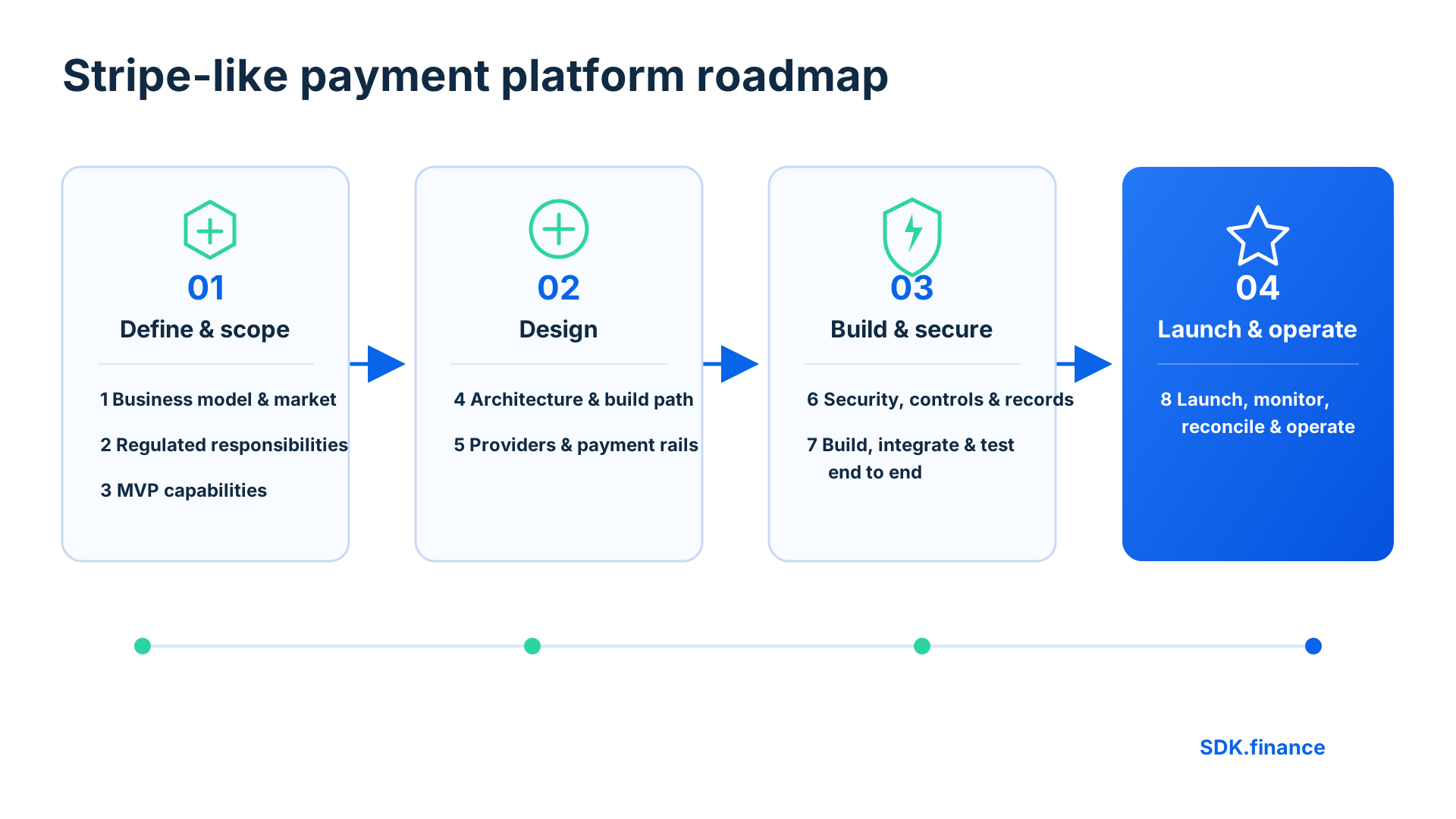
- Define the business model and market. Clarify merchant segment, channels, countries, currencies, payment methods and revenue model before writing any code.
- Map regulated and technology responsibilities. Identify who acts as PSP, acquirer, issuer, settlement bank and KYC/KYB provider. Software does not supply these permissions; a licence, a partnership with a licensed institution, or both, does. If the real question is how to set up and run the business itself, how to start a payment processing company goes deeper on that.
- Choose the MVP capabilities. Prioritise the transaction types, merchant journeys and workflows genuinely required for launch, and treat the rest as a later release.
- Choose the architecture and build path. Compare building from scratch, a SaaS foundation and a hybrid source-code approach, and decide separately whether source-code ownership or SaaS configuration fits your team.
- Select providers and payment rails. Evaluate commercial terms, coverage, API quality, settlement timing, dispute handling and fallback options – provider selection usually sets the real launch timeline, not the software.
- Design security, controls and records. Cover authentication, encryption and tokenisation, permissions, idempotency, an audit trail, transaction monitoring and PCI DSS scope from the outset – compliance isn’t automatic just because the software supports these controls.
- Build, integrate and test end to end. Test decline, timeout, retry, reversal, refund, chargeback, duplicate-request and provider-outage scenarios, not only the happy path.
- Launch, monitor and operate. Put observability, incident response, reconciliation, settlement-exception handling and a cadence of updates in place before go-live.
What does it cost, and how long does it take, to build a Stripe-like platform?
The implementation timeline depends primarily on the delivery model:
- SaaS – a few weeks: the provider prepares the development environment, while the customer configures currencies, accounts, fees and limits, adapts the interfaces and connects external services. Staging and production environments are prepared after testing.
- Source Code Licence – a few months: implementation normally includes requirements analysis, a code audit and transfer, infrastructure setup, customisation, provider integrations and end-to-end testing.
Custom development from scratch: the timeline depends on the number of markets, payment methods, merchant journeys and regulated integrations required. A multi-country platform with acquiring, billing, payouts, fraud controls and reconciliation can take substantially longer than a focused MVP.
A realistic 2026 software budget can be divided into three planning ranges:
- Focused MVP: $150,000–$380,000 – one market and currency, merchant onboarding, basic KYC/KYB integration, payment acceptance, transaction records, a back office and one payment provider.
- Launch-ready product: $380,000–$750,000 – multiple integrations, reconciliation, branded interfaces, stronger fraud and compliance workflows, security testing and operational tooling.
- Multi-country custom platform: $750,000–$1 million+ – several markets and currencies, local payment methods, card functionality, complex infrastructure and country-specific requirements.
These ranges are based on SDK.finance’s implementation experience and typical 2026 FinTech delivery costs. The figures cover software implementation and are planning ranges rather than fixed prices. They exclude financial licences, regulatory capital, prefunding, provider charges, certification, ongoing compliance and operational costs. Provider onboarding, licensing and regulatory approval can also extend the commercial launch date beyond the software implementation timeline.
Build a Stripe-like payment platform with SDK.finance
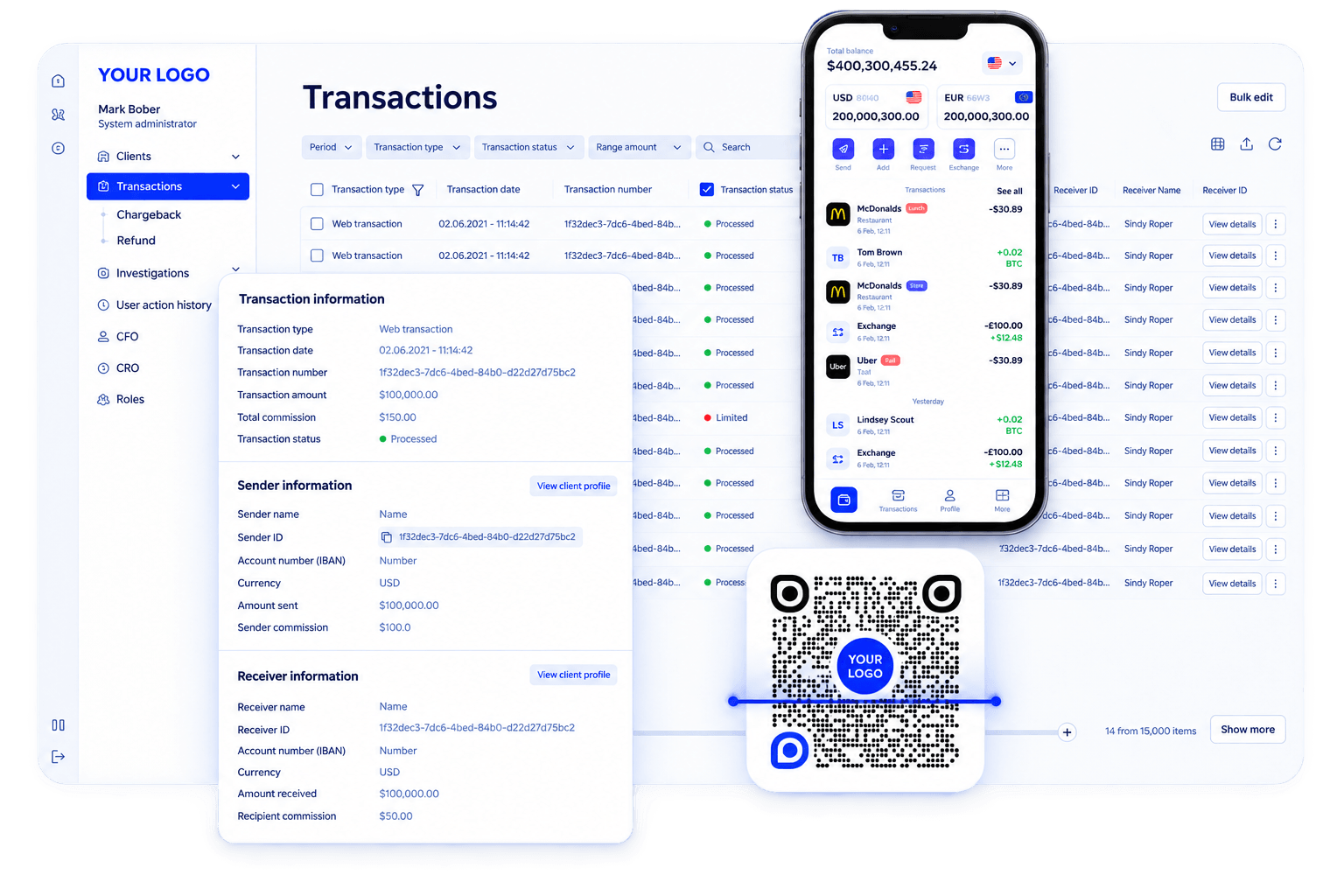
SDK.finance is a digital payments software provider. Its merchant payment-processing platform provides a configurable foundation for building a branded, Stripe-like payment platform. Instead of developing the ledger, transaction workflows, merchant management and back office from the beginning, a company can start with these components already available and concentrate more of its resources on provider integrations, customer experience and market-specific requirements. The result is a customisable payment platform built on components a team doesn’t have to develop from zero.
The capabilities most relevant to a Stripe-like platform include:
- Merchant onboarding and digital wallets. Onboard merchants, issue each one a digital wallet, and manage roles and permissions across the platform.
- Payment acceptance and initiation. Accept and initiate online and offline payments – including a hosted checkout page and online POS – and process refunds.
- Transaction workflows. Manage transaction processing, instant and regular payouts, invoices and payment requests, and full transaction history.
- Fees, limits and commissions. Configure fixed or percentage-based fees, transaction limits and commission structures for different merchants or products.
- Back-office operations. Give operations, finance and support teams the tools to manage merchants, investigate transactions, and monitor system activity.
- Merchant and customer applications. Provide a configurable web portal, mobile app and back-office UI instead of building every channel from the beginning.
- Integration layer. Use 650+ API endpoints, webhooks and Kafka-based event messaging to connect acquirers, payment gateways, KYC providers, card issuers and other third-party services.
The platform is available through two delivery models. A hosted SaaS deployment is designed for a more standardised and faster implementation. A source-code licence gives the customer greater control over customisation, infrastructure and future development. The appropriate option depends on the company’s launch priorities, internal engineering resources and infrastructure requirements.
Building a payment platform like Stripe
A payment platform like Stripe is a defined scope of capabilities and responsibilities, not a single product to copy – and that scope, chosen deliberately, is what actually determines the build. Building a payment platform like Stripe requires careful planning, the right architecture, and a thorough understanding of the payments industry. Whichever path you choose – from scratch, a ready-made foundation, or a hybrid – the decision that matters most is made before the first line of code: who is responsible for what, and which parts of the platform you actually need to own.
Whether you started out asking how to build a payment platform like Stripe, how to create a payment gateway like Stripe, how to build a payment gateway like Stripe, or how to build a payment processor for one specific flow, the answer is the same: define the scope and the regulated responsibilities before choosing a build model.
With over a decade of experience in FinTech software development, SDK.finance knows what it takes to build a scalable payments product. Explore SDK.finance’s merchant payment-processing software to start building your own solution like Stripe.